5 Reasons a Cultural Retreat Can Make Your Bali Trip More Meaningful

A Bali holiday can be filled with beautiful places.
You can visit temples, rice terraces, waterfalls, beaches, cafés, and viewpoints. You can return home with hundreds of photographs and a long list of destinations you have completed.
But a meaningful journey is not always created by seeing more.
Sometimes, it begins when you stay long enough to listen, participate, and understand the people behind the place.
A cultural retreat Bali experience invites travelers to move beyond observation. Instead of only watching traditions from a distance, guests can learn from local mentors, spend time in nature, understand village life, and reflect on what the journey means to them.
Located in Selat, Karangasem, Jero Tumbuk is a community-based culture and retreat center where accommodation is connected to Balinese traditions, education, spirituality, nature, and local community programs.
Here are five reasons a cultural retreat can turn an ordinary visit into a more meaningful Bali holiday.
1. You Learn Directly From Local Mentors
Culture becomes easier to understand when it is explained by the people who live and practice it.
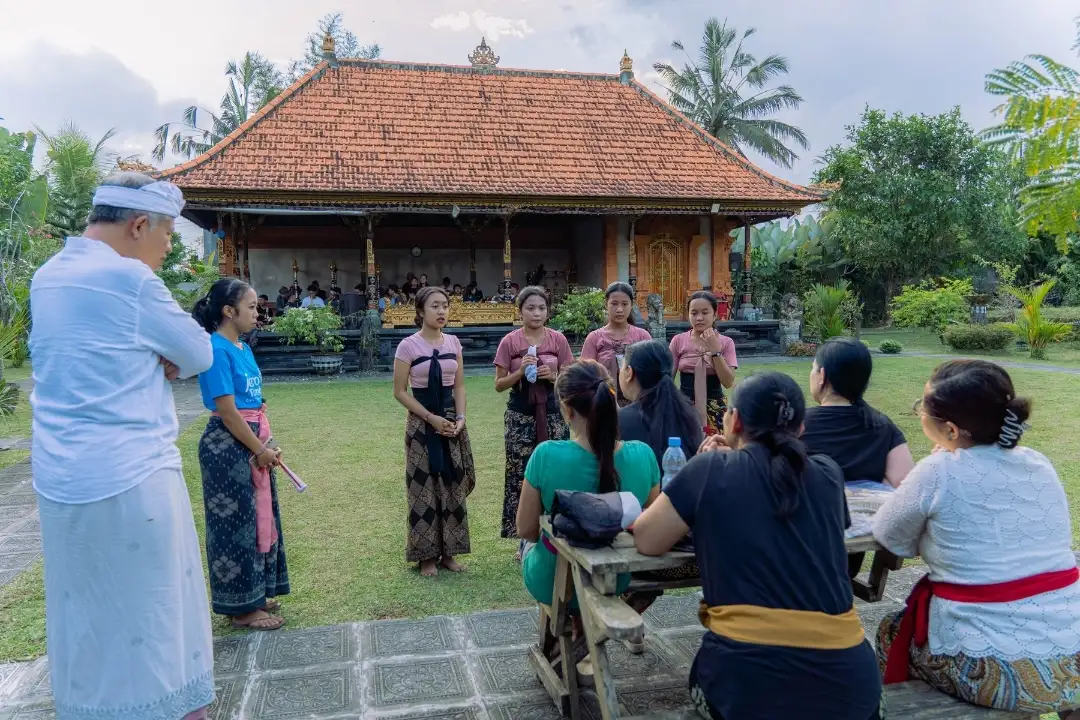
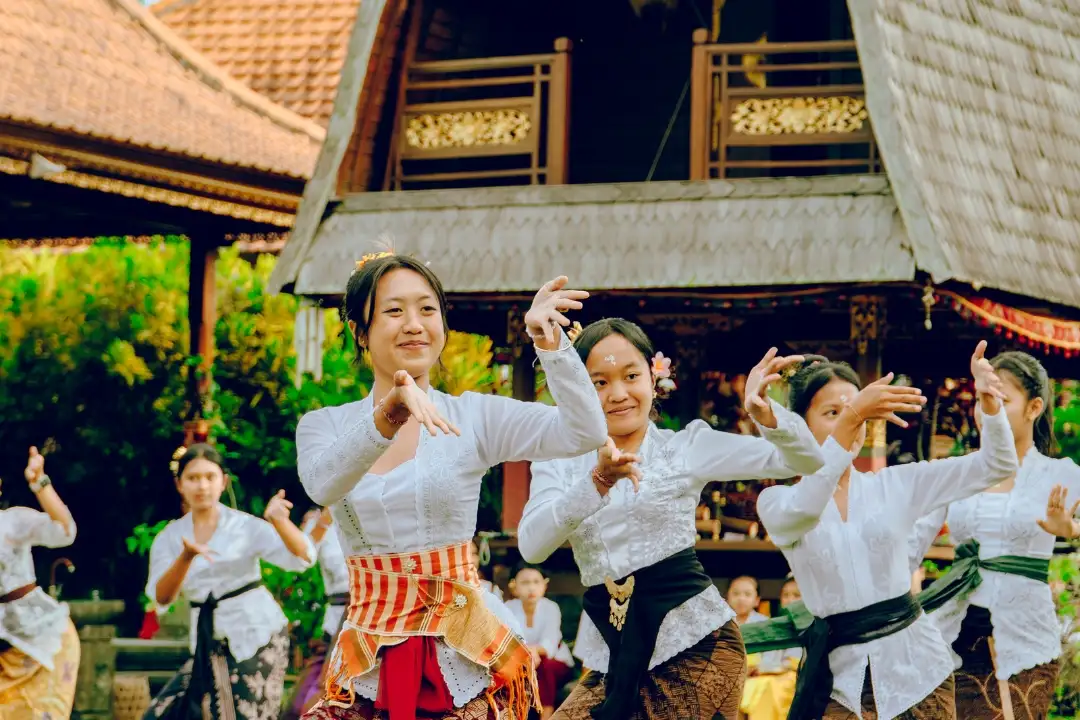
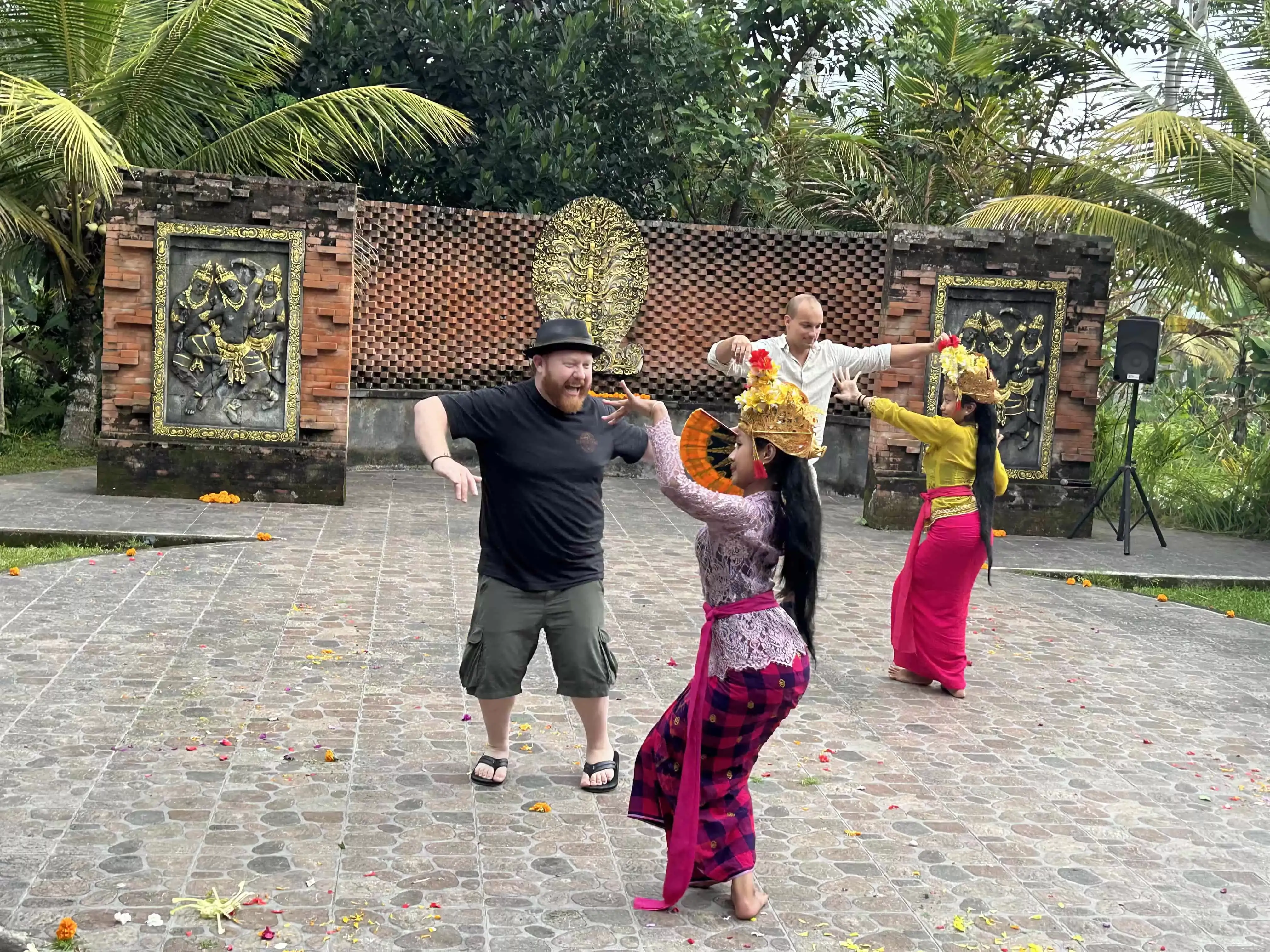
At Jero Tumbuk, local mentors play an important role in cultural learning. They may guide activities related to Balinese dance, tabuh or gamelan, gender, rindik, mekidung, and Balinese script.
These traditions involve much more than the movements, sounds, or symbols guests first notice.
Balinese dance requires discipline, posture, expression, coordination, and an understanding of character. Traditional music teaches participants to listen to one another and recognize how every instrument contributes to the group. Mekidung connects music with language, literature, and spirituality. Balinese script introduces younger generations and guests to an important part of Bali’s written heritage.
A mentor does not only demonstrate how something is done.
They correct small details, explain the meaning behind a practice, share knowledge that has been passed through generations, and help learners approach the tradition with respect.
This creates a different type of local experience Bali.
Instead of receiving information from a sign, guidebook, or short online video, you learn through direct human interaction. You can ask thoughtful questions, observe the learning process, and understand how much time and dedication are required to keep a tradition alive.
The most important part is not performing perfectly.
The value comes from listening, trying, and recognizing the people who continue to carry cultural knowledge forward.
2. You Join Traditions Respectfully, Not as Entertainment
Balinese culture and spirituality should not be treated as products created only for tourism.
A cultural retreat offers the opportunity to participate, but participation also comes with responsibility.
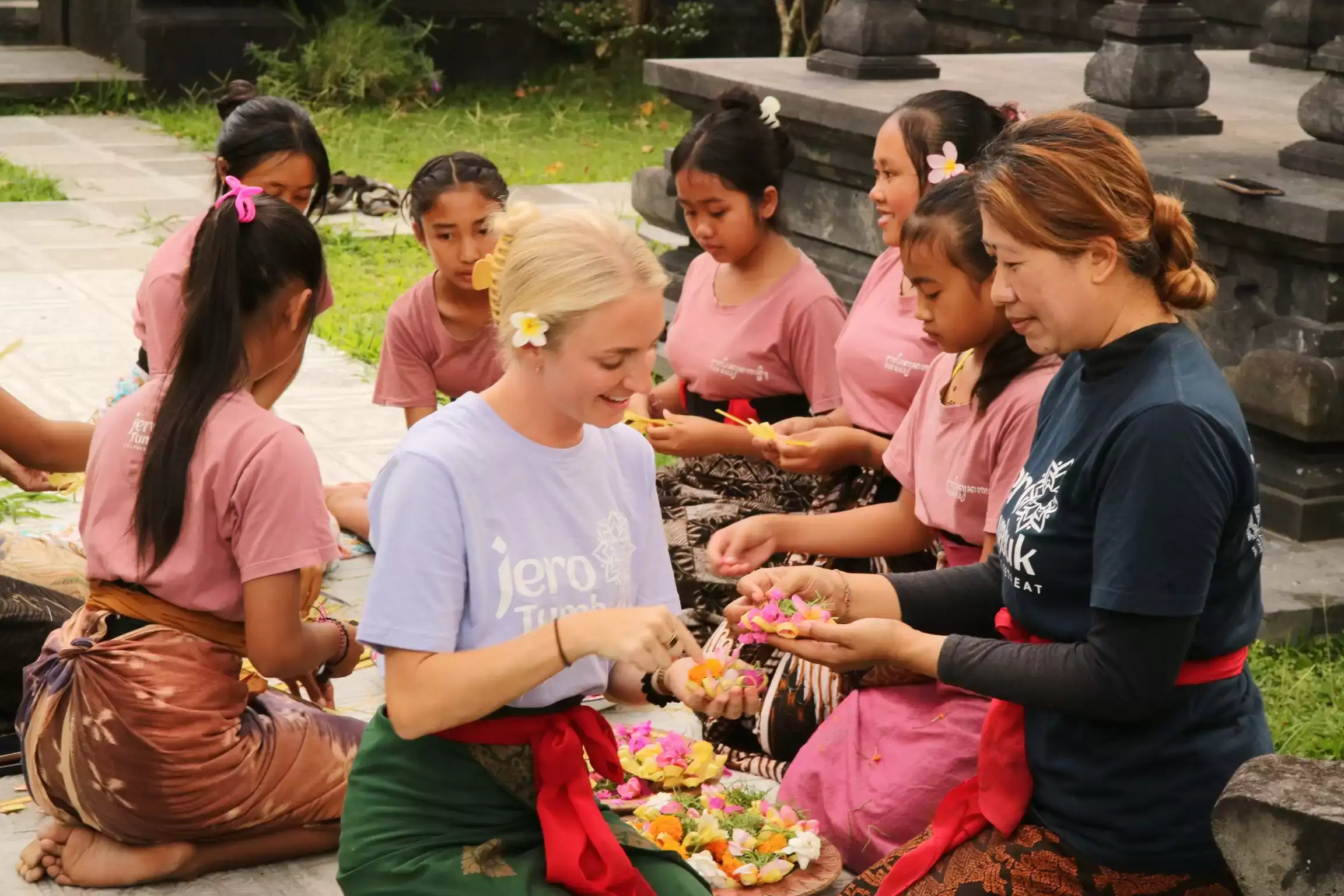
At Jero Tumbuk, spiritual activities may include melukat, meditation, yoga, making canang sari, reflective mandala activities, and learning about sacred spaces such as the Merajan.
Each experience needs to be approached with the right understanding.
Melukat is a Balinese purification tradition involving sacred water, prayer, preparation, and guidance. It should not be described as instant healing or treated as a location for creating social media content.
Guests may need to wear appropriate clothing, follow instructions from a religious leader or facilitator, and ask permission before taking photographs.
Making canang sari is also more than arranging flowers into a decorative form. It can introduce guests to gratitude, offerings, symbolism, and the relationship between everyday life and spirituality in Bali.
These experiences reflect Parahyangan, one of the three relationships within Tri Hita Karana. Parahyangan describes harmony between human beings, God, and the spiritual world.
Joining respectfully means understanding that guests are entering practices with meaning beyond their personal holiday.
You do not need to understand everything immediately. What matters is your willingness to listen, follow local guidance, and place the meaning of the tradition above the desire to document it.
This respectful participation can make a Jero Tumbuk retreat more valuable than simply seeing a ceremony or sacred site for a few minutes.
3. You Spend Enough Time in Nature to Understand It
Nature in Bali is often introduced through beautiful photographs.
Rice fields, rivers, tropical trees, bamboo buildings, and mountain views are visually memorable. But when travelers move quickly, the landscape can become only a background.
A retreat gives you more time to understand what the natural environment means to the people who live within it.
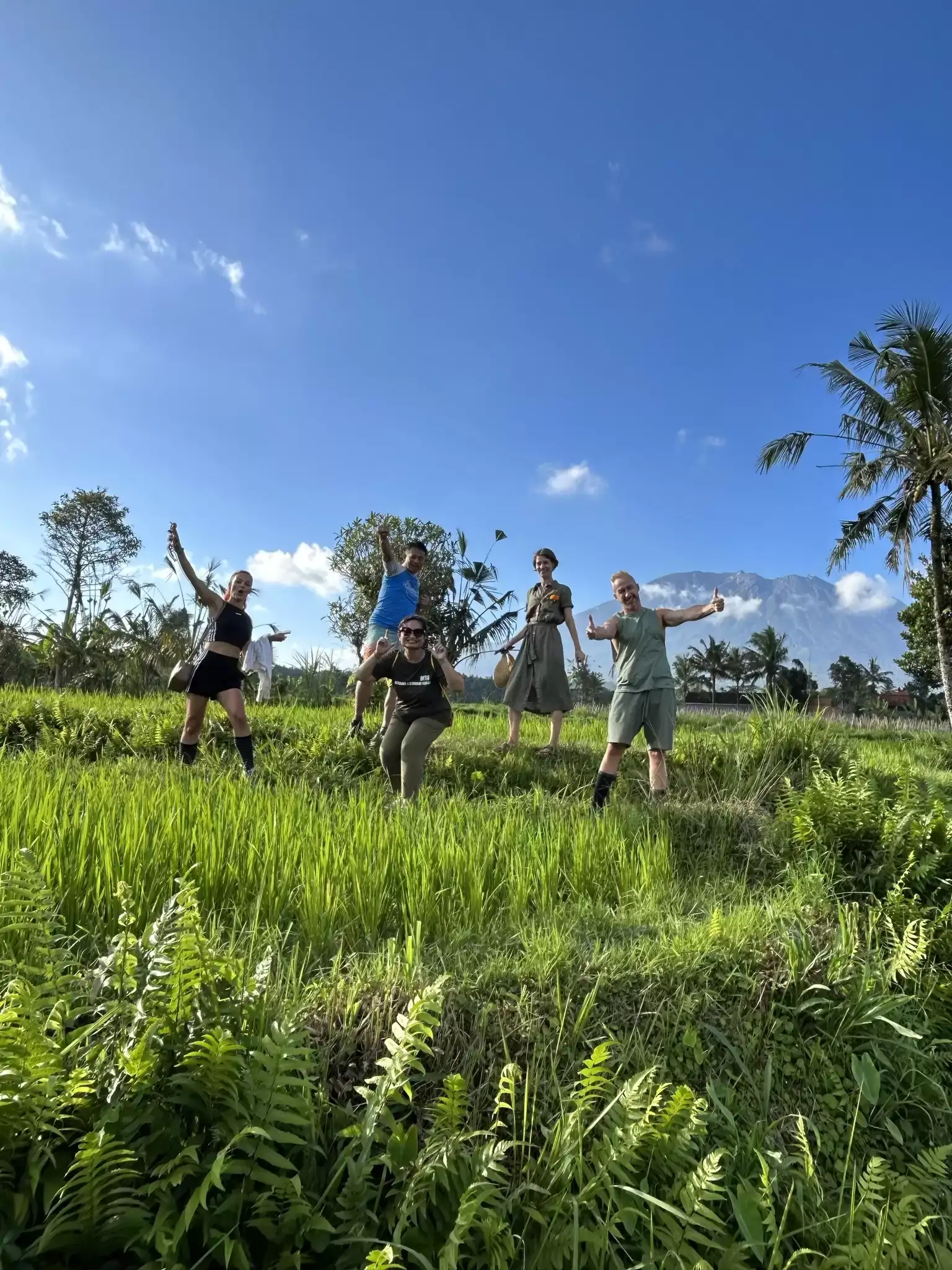
Jero Tumbuk is located in Selat, Karangasem, surrounded by elements such as rice fields, tropical vegetation, river areas, and the wider landscape connected to Mount Agung.
Guests may experience this environment through a quiet morning walk, garden time, accommodation near the river, or a guided rice-field tour.
A rice-field tour is not positioned as a simple sightseeing activity.
It can introduce guests to local agriculture, seasonal work, food production, and the daily lives of farmers. Rice fields are not only beautiful green spaces. They are connected to family livelihoods, local knowledge, food security, and the relationship between communities and the land.
This reflects Palemahan within Tri Hita Karana: harmony between human beings and nature.
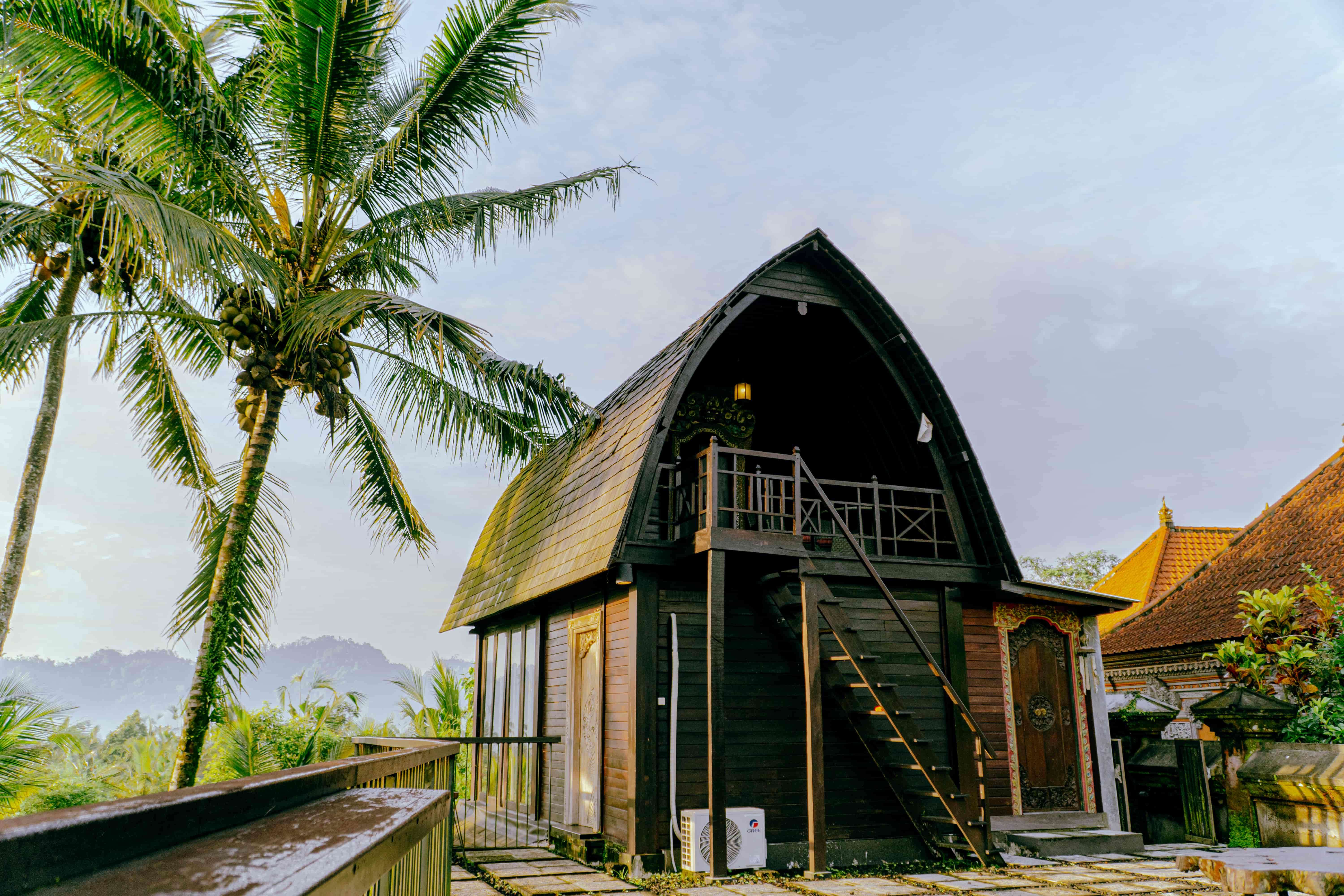
The architecture of Jero Tumbuk also supports this relationship. Bamboo, wood, stone, gardens, and open-air spaces help connect the accommodation with its natural surroundings.
Spending time in nature does not mean waiting for perfect weather or guaranteed mountain views. Rain, mist, clouds, insects, humidity, and natural sounds are all part of the environment.
A deeper Karangasem travel experience begins when you stop expecting nature to perform for you.
You begin paying attention to what is present.
The sound of water. The morning air. A farmer starting work. The changing light. The way food, buildings, agriculture, and community life depend on the surrounding landscape.
This form of slow attention is difficult to experience during a rushed itinerary.
4. You Begin to Understand Village and Community Life
A meaningful journey should help you understand more than the places you visit.
It should also help you recognize the people who make daily life possible.
Jero Tumbuk connects its retreat environment with education, cultural preservation, social programs, and the local economy.
Community activities may include free cultural learning, English classes, academic support, workshops, health programs, food assistance, and opportunities for children to learn traditional arts.
The wider ecosystem is also connected to local staff, farmers, cultural mentors, teachers, food suppliers, craftspeople, and small businesses.
This does not mean the community should be presented as an attraction.
Children joining a cultural class are learners, not performers placed there for visitors. Farmers are not part of a staged rural experience. Teachers, mentors, and staff are people with their own work, knowledge, and responsibilities.
Guests should approach village life with respect and avoid treating every interaction as an opportunity for photography.
A community retreat Bali experience becomes meaningful when visitors begin to understand the relationships behind it.
Who teaches the children?
Who prepares the meals?
Where do the ingredients come from?
Who maintains the buildings and gardens?
How do cultural programs continue?
How can tourism participate without replacing the identity of the community?
These questions reflect Pawongan, the Tri Hita Karana principle of harmony between people.
At Jero Tumbuk, hospitality is connected to community participation. Accommodation is not separated from local education, culture, work, and social life.
Guests are not expected to arrive as people who will solve community problems. A more respectful approach is to listen, learn, support local leadership, and understand how travel choices affect the people around a destination.
5. You Create Time for Personal Reflection
A busy holiday can leave little time to process what you have experienced.
One activity ends, transportation begins, and another destination is already waiting. Even meaningful moments can disappear quickly when the itinerary is too full.
A cultural retreat creates space between experiences.
You might spend the morning walking through the garden, join a cultural activity later in the day, sit quietly near nature, or write about a conversation that changed your understanding of Bali.
Meditation and yoga can also support this quieter rhythm.
At Jero Tumbuk, these activities are not presented as guaranteed solutions for stress, health conditions, or personal transformation. They are opportunities to breathe, move, reduce distractions, and pay closer attention to the present moment.
Journaling can be another simple part of the experience.
You might write about what you learned from a mentor, how your understanding of a spiritual practice changed, or what you noticed during a rice-field walk.
Reflection helps turn an activity into something more lasting.
Without reflection, cultural learning can become another item completed on an itinerary. With reflection, it can influence how you think about tradition, community, nature, and your role as a traveler.
This is one of the reasons slow travel Bali can feel more rewarding.
Slowing down does not mean doing nothing. It means giving each experience enough time to become meaningful.
You may choose fewer activities, but remember them more clearly.
You may visit fewer places, but understand one place more deeply.
A Cultural Retreat Changes How You Experience Bali
A cultural retreat is not meaningful simply because it includes traditional activities.
Its value depends on how those activities are approached.
Learning from a mentor matters because you are listening to someone with knowledge and experience. Joining a spiritual tradition matters because you approach it with humility. Walking through rice fields matters because you begin to understand the people and food systems connected to the landscape.
Community programs matter because they show that culture, education, hospitality, and local life are not separate.
Personal reflection matters because it gives you time to understand what the journey has taught you.
This is the foundation of Jero Tumbuk.
Jero Tumbuk is not a hotel with cultural entertainment added to the guest schedule. It is a living cultural retreat where accommodation serves as an entry point into a wider experience.
Guests may stay in Wantilan Rooms, Villa Tepi Sungai, Villa Bambu Daja, Villa Bambu Delod, or Villa Kayu. But the meaning of the stay is shaped by what surrounds the accommodation: nature, local architecture, spiritual spaces, cultural programs, education, mentors, children, farmers, and community life.
Plan Your Experience With Respect
Cultural and spiritual activities may depend on mentor availability, community schedules, religious considerations, weather, and advance arrangements.
Guests interested in melukat, cultural learning, cooking classes, rice-field tours, meditation, yoga, or other activities should confirm availability before arriving.
Advance booking gives Jero Tumbuk time to coordinate with the mentors, facilitators, guides, and community members involved.
You do not need to join every activity.
Choose the experiences that genuinely interest you. Give them enough time. Ask questions respectfully. Follow local guidance and remain open to learning.
A meaningful Bali journey is not defined by how many places you can say you visited.
It is shaped by what you understood, who you listened to, and how your relationship with the place changed.
Jero Tumbuk is not a place to simply stay between destinations.
It is a place to learn, connect, and grow alongside the culture, nature, spirituality, and community of Bali.