6 Reasons Learning from Local Mentors Makes a Bali Experience More Real

Many travelers arrive in Bali wanting something authentic.
They visit temples, watch traditional performances, walk through rice fields, and photograph daily offerings. These moments can be memorable, but seeing a tradition is different from understanding it.
A deeper experience often begins with a person.
A local mentor can explain why a movement matters, how an instrument should be played, what a symbol means, and why certain customs require care. They bring knowledge that cannot always be found in guidebooks, short videos, or attraction descriptions.
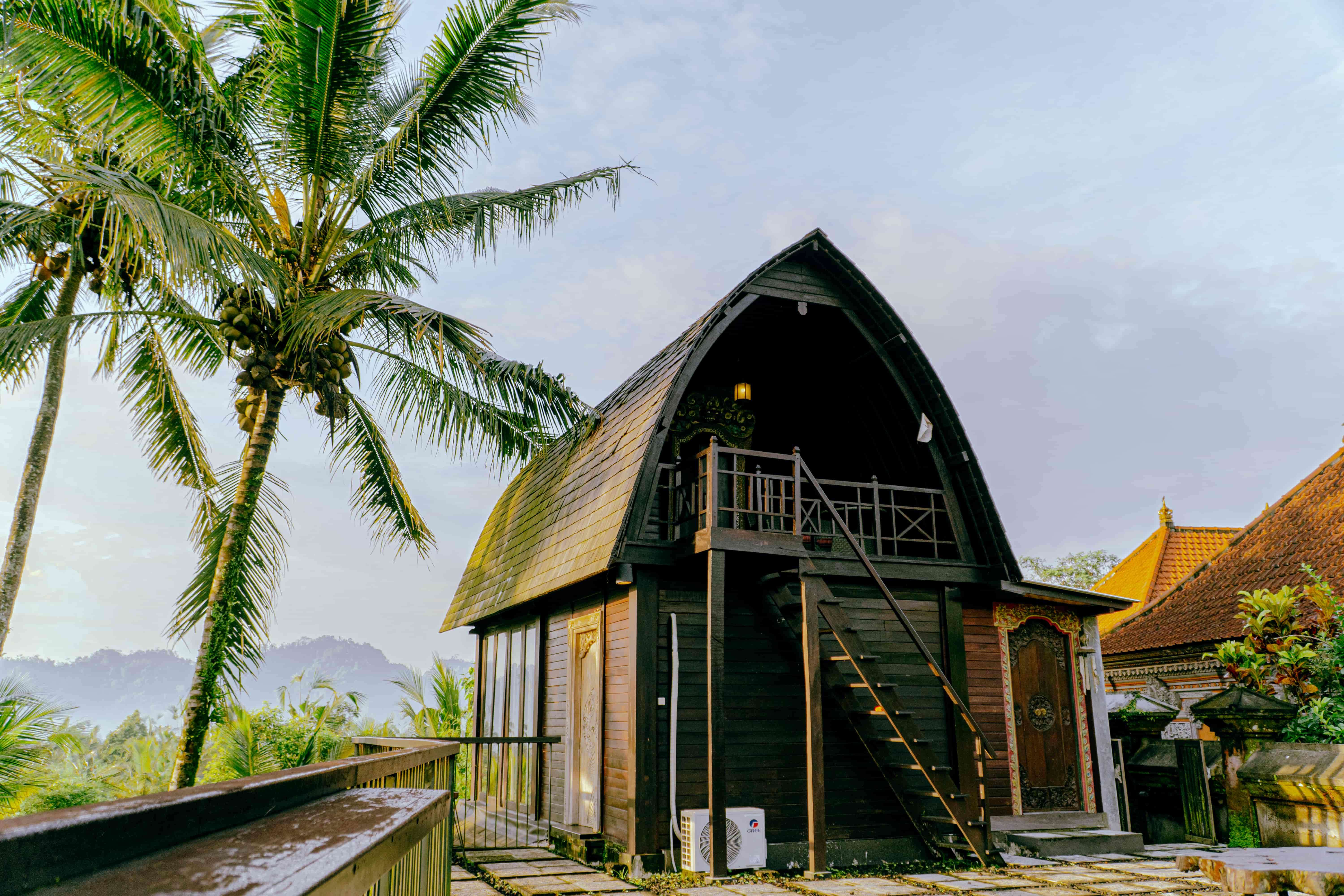
At Jero Tumbuk, learning from local mentors is an important part of the cultural experience. Located in Selat, Karangasem, this living cultural retreat connects accommodation with Balinese traditions, education, spirituality, nature, and community life.
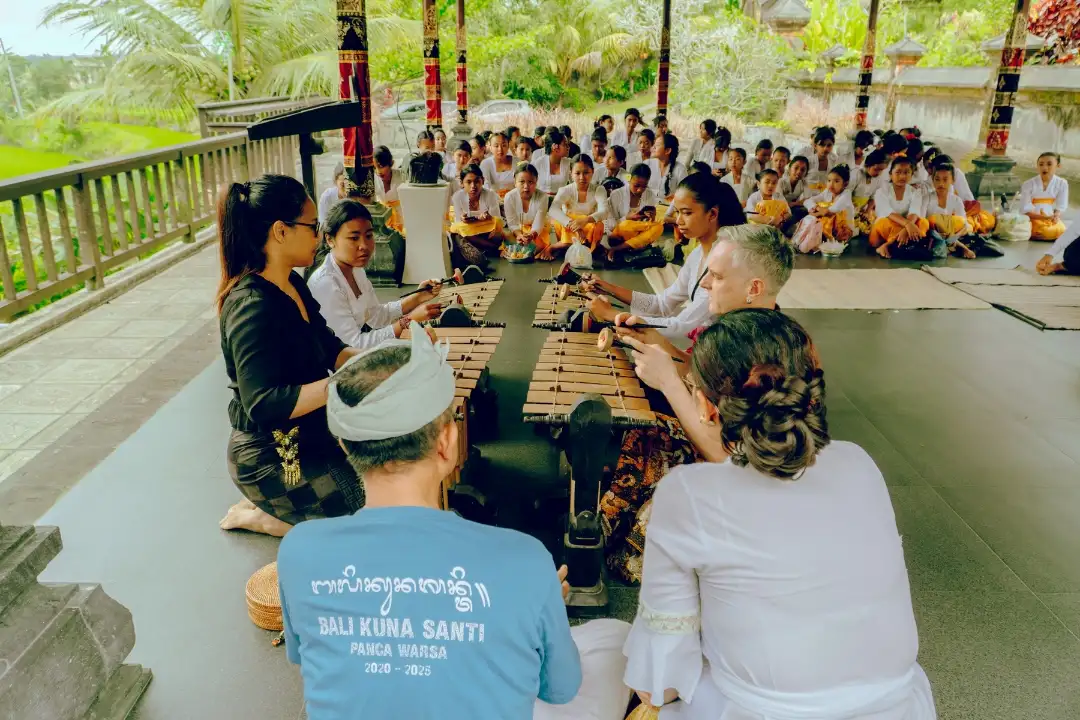
Through activities such as dance, traditional music, mekidung, rindik, gender, Balinese script, cooking, and spiritual learning, guests can move beyond observation and begin to understand the people who keep these practices alive.
Here are six reasons learning from a local mentor Bali can make your journey feel more real.
1. Personal Guidance Helps You Learn Beyond the Surface
Cultural traditions often include details that are easy to miss.
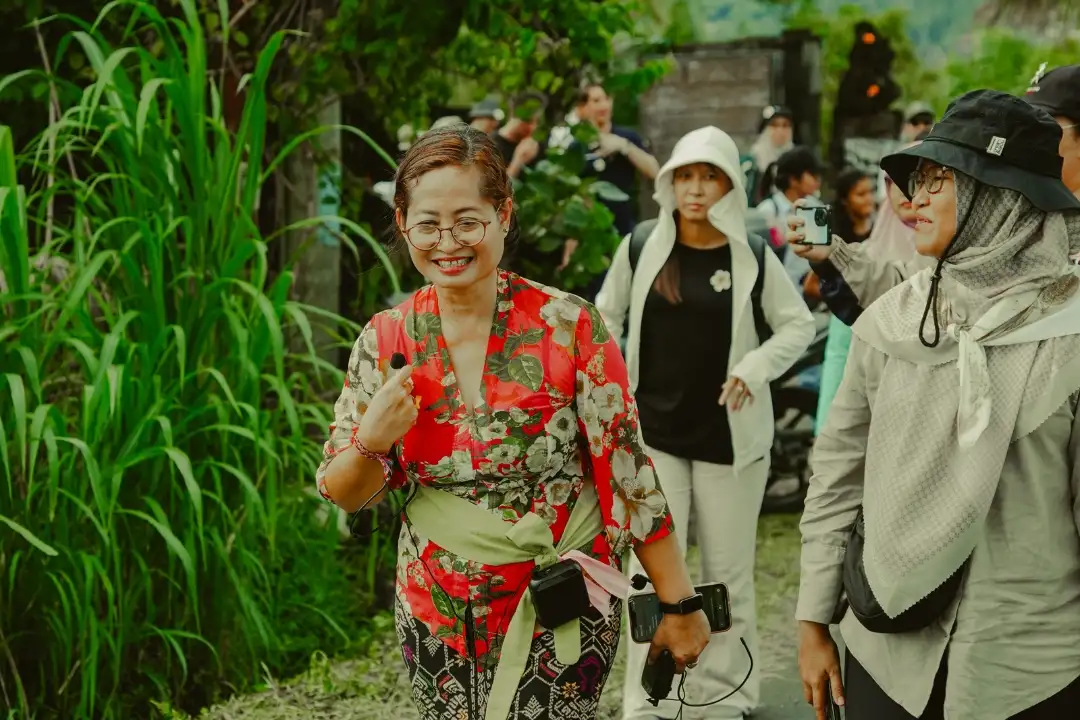
A guest may copy a dance movement, strike an instrument, or write a Balinese character without understanding whether the technique is correct. A local mentor can observe these small details and provide direct guidance.
During a Balinese culture class, personal instruction may include correcting posture, explaining hand positions, demonstrating rhythm, or helping participants understand how a movement connects to a particular character.
This guidance changes the learning experience.
Instead of simply repeating what you see, you begin to understand what you are doing. The mentor can adjust the explanation based on your level, answer questions, and help you learn at a comfortable pace.
The goal is not to become an expert in one session.
The value comes from receiving attention from someone who understands the tradition through years of learning and practice.
A mentor may notice that your timing is too fast, your position needs adjustment, or your interpretation is missing an important detail. These corrections are not criticism. They are part of how cultural knowledge is passed carefully from one person to another.
This personal connection makes the experience more human.
You are no longer participating in a general activity designed for a crowd. You are learning from someone willing to share part of their knowledge with you.
2. Local Mentors Share Knowledge That Comes From Daily Life
Cultural knowledge is not limited to techniques.
It also includes stories, values, language, family experience, ceremonies, community relationships, and the way traditions are used in daily life.
A local mentor Bali can explain these connections because they understand the culture from within.
A dance mentor may explain how certain expressions relate to a character or story. A traditional musician may describe why cooperation is essential in gamelan. A teacher of Balinese script may connect written characters with language, literature, and heritage.
This knowledge gives context to what guests are learning.
Without context, a cultural activity can become something decorative. A visitor may remember the shape of a movement or the sound of an instrument but miss the meaning behind it.
At Jero Tumbuk, culture is not treated as a display separated from local life.
Traditional learning is connected to mentors, children, families, education, spirituality, and the wider local community Karangasem. Programs such as dance, tabuh, gender, rindik, mekidung, and Balinese script are part of an effort to keep cultural knowledge active and accessible.
Learning directly from local practitioners allows guests to understand that these traditions are not frozen in the past.
They continue because people still teach them, practice them, and make them relevant to the next generation.
3. You Learn the Correct Techniques, Not Only the Final Result
Traditional arts can look effortless when performed by experienced practitioners.
A dancer may move with precision. A musician may follow a complex rhythm naturally. A writer may form Balinese characters with confidence.
What visitors do not always see is the repetition behind the result.
A traditional art lesson introduces guests to the process.
In Balinese dance, even a basic position may involve careful control of the hands, eyes, shoulders, feet, and facial expression. In traditional music, participants need to understand timing, listening, and how their part fits with the group.
Gender and rindik require coordination and concentration. Tabuh or gamelan depends on cooperation between players rather than individual performance. Balinese script requires attention to the structure and formation of each character.
A local mentor helps prevent the experience from becoming a simplified imitation.
They can explain where to place your hands, how to hold the body, when to enter a rhythm, or how to form a character correctly.
These details matter because cultural learning should not be reduced to copying something for a photograph.
Correct technique shows respect for the tradition and the people who have spent years developing their skills.
Guests do not need to perform perfectly. Mistakes are a natural part of learning. What matters is being willing to listen, try again, and understand that traditional arts require patience.
4. Cultural Context Makes Every Activity More Meaningful
An activity becomes more valuable when you know why it exists.
Learning a dance movement is more meaningful when you understand the story or character behind it. Playing a traditional instrument feels different when you recognize that the music depends on collective rhythm and cooperation.
Writing Balinese script becomes more than a visual exercise when you learn about its relationship with language, literature, and cultural identity.
This is what creates an authentic cultural experience.
Authenticity does not come from being placed in a traditional-looking environment. It comes from learning the meaning, responsibility, and human relationships behind the activity.
Local mentors can explain how art connects with ceremonies, spirituality, education, and community life. They can also clarify which parts of a tradition are appropriate for guests to join and which require greater care.
At Jero Tumbuk, this context is connected to Tri Hita Karana.
Parahyangan reflects harmony between people and the divine. It can be understood through sacred spaces, offerings, melukat, and spiritual practices.
Palemahan reflects harmony between people and nature. It appears through rice fields, rivers, local materials, food, and agriculture.
Pawongan reflects harmony between people. It can be seen through mentorship, education, community programs, and the relationship between teachers and students.
A mentor helps guests understand that culture is connected to all three relationships.
It is not an isolated activity placed on a travel itinerary. It is part of a wider way of life.
5. Mentors Help Guests Participate With Respect
Good intentions are not always enough when joining a cultural or spiritual activity.
Visitors may not know what clothing is appropriate, when photography is allowed, how to behave in a sacred space, or which questions should be approached carefully.
Local mentors and facilitators help guests participate responsibly.
They can explain the expected behavior before an activity begins and provide guidance throughout the experience.
This is especially important for spiritual practices such as melukat or making canang sari.
Melukat should not be treated as an instant wellness treatment or a social media opportunity. It is a purification tradition involving sacred water, prayer, preparation, and spiritual meaning.
Making canang sari is not simply arranging flowers. It can introduce guests to gratitude, offerings, symbolism, and daily spiritual practice.
Respectful participation means following local instructions, asking before taking photographs, and accepting that some moments are not intended for documentation.
The same principle applies to cultural learning.
Children attending classes are students, not performers arranged for tourism. Mentors are cultural practitioners, not decorative parts of a visitor experience. Community programs should not be interrupted for photographs or treated as staged attractions.
This approach is central to responsible tourism.
Guests are invited to learn, but they also need to respect the people, schedules, spaces, and traditions that make the experience possible.
6. Your Participation Supports Cultural Practitioners
Traditional knowledge continues because people invest time in teaching and practice.
Local mentors, musicians, dancers, teachers, artisans, and cultural facilitators carry skills that may have taken many years to develop. Their work deserves recognition and support.
When cultural learning is included within a responsible retreat environment, it can create opportunities for practitioners to share knowledge while remaining connected to their local community.
At Jero Tumbuk, mentors are part of a wider ecosystem that includes children’s programs, free cultural learning, education, community activities, accommodation, local staff, farmers, and small businesses.
Guests who join Jero Tumbuk activities are not only receiving an experience. Their participation can also help sustain an environment where cultural teaching remains valued.
This does not mean every activity should be described as a direct donation or that cultural practitioners exist only for visitors.
The relationship should remain respectful and transparent.
Guests can support mentors by booking activities properly, respecting their time, listening carefully, avoiding aggressive bargaining, and recognizing the knowledge behind the session.
They can also share thoughtful feedback that focuses on what they learned rather than treating the activity as entertainment.
A meaningful testimonial might say:
“I understood how much discipline Balinese dance requires.”
“I learned why traditional music depends on cooperation.”
“The mentor helped me understand the cultural meaning behind the activity.”
These responses recognize the practitioner, not only the guest experience.
Human Connection Is the Heart of Cultural Immersion
A true cultural immersion Bali experience is not created by completing as many activities as possible.
It develops through attention, humility, and human connection.
Learning from a local mentor allows guests to move beyond the surface. They receive personal guidance, understand correct techniques, hear local stories, learn cultural context, and participate more respectfully.
Most importantly, they meet the people who keep traditions alive.
At Jero Tumbuk, cultural programs are connected to a larger purpose. They support learning, cultural continuity, community access, and the relationship between generations.
Guests may have opportunities to learn Balinese dance, traditional music, mekidung, rindik, gender, Balinese script, cooking, spiritual practices, and other forms of local knowledge.
Availability may depend on mentor schedules, community programs, religious activities, and advance arrangements. Visitors should confirm their preferred sessions before arriving.
Booking in advance also gives Jero Tumbuk time to coordinate responsibly with the practitioners involved.
Learn With Curiosity and Respect
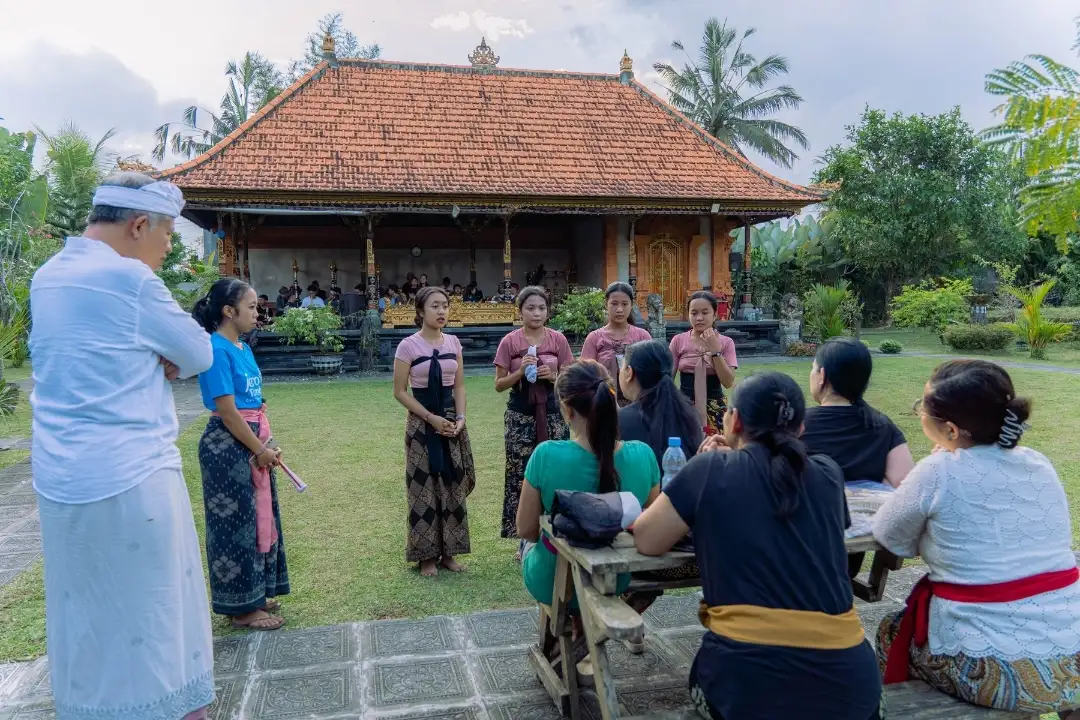
You do not need previous experience to join a cultural activity.
You only need curiosity, patience, and a willingness to listen.
Ask questions thoughtfully. Accept correction without embarrassment. Follow the mentor’s guidance. Avoid turning every moment into content. Remember that the tradition existed long before your visit and will continue after you leave.
The most meaningful part of the experience may not be what you successfully perform.
It may be the conversation you have, the detail you finally understand, or the respect you develop for the people who continue teaching their culture.
Jero Tumbuk is not a place where culture is simply shown to guests.
It is a place where culture is practiced, taught, and passed forward through real relationships.
That is what makes learning from a local mentor more than an activity.
It makes the experience real.