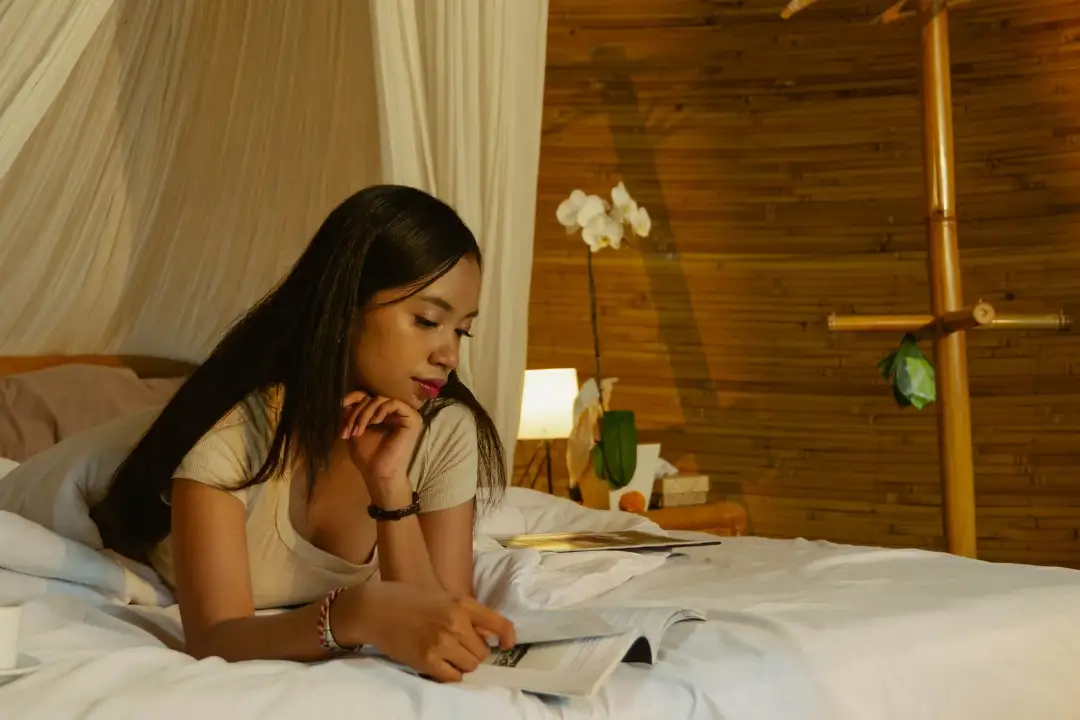
6 Things You Can Do Instead of Rushing Through Another Bali Itinerary
Home - Our Journal

Home - Our Journal
Many travelers come to Bali with a long list.
A temple in the morning.
A waterfall after lunch.
A sunset location before dinner.
Another café the next day.
Another attraction after that.
There is nothing wrong with exploring Bali.
The island offers countless places to discover. But sometimes, trying to experience everything can create the opposite result. Instead of feeling connected to the destination, travelers leave feeling tired, rushed, and unable to remember the details.
This is where slow travel Bali offers a different approach.
Slow travel is not about doing nothing.
It is about choosing fewer experiences and giving yourself enough time to understand them.
A meaningful journey is not always measured by how many locations you visit. Sometimes, it is measured by the conversations you have, the knowledge you gain, and the connection you create with the place.
At Jero Tumbuk in Selat, Karangasem, guests are invited to experience Bali through culture, nature, spirituality, education, and community.
For travelers searching for a meaningful Bali trip, here are six things you can do instead of rushing through another packed itinerary.
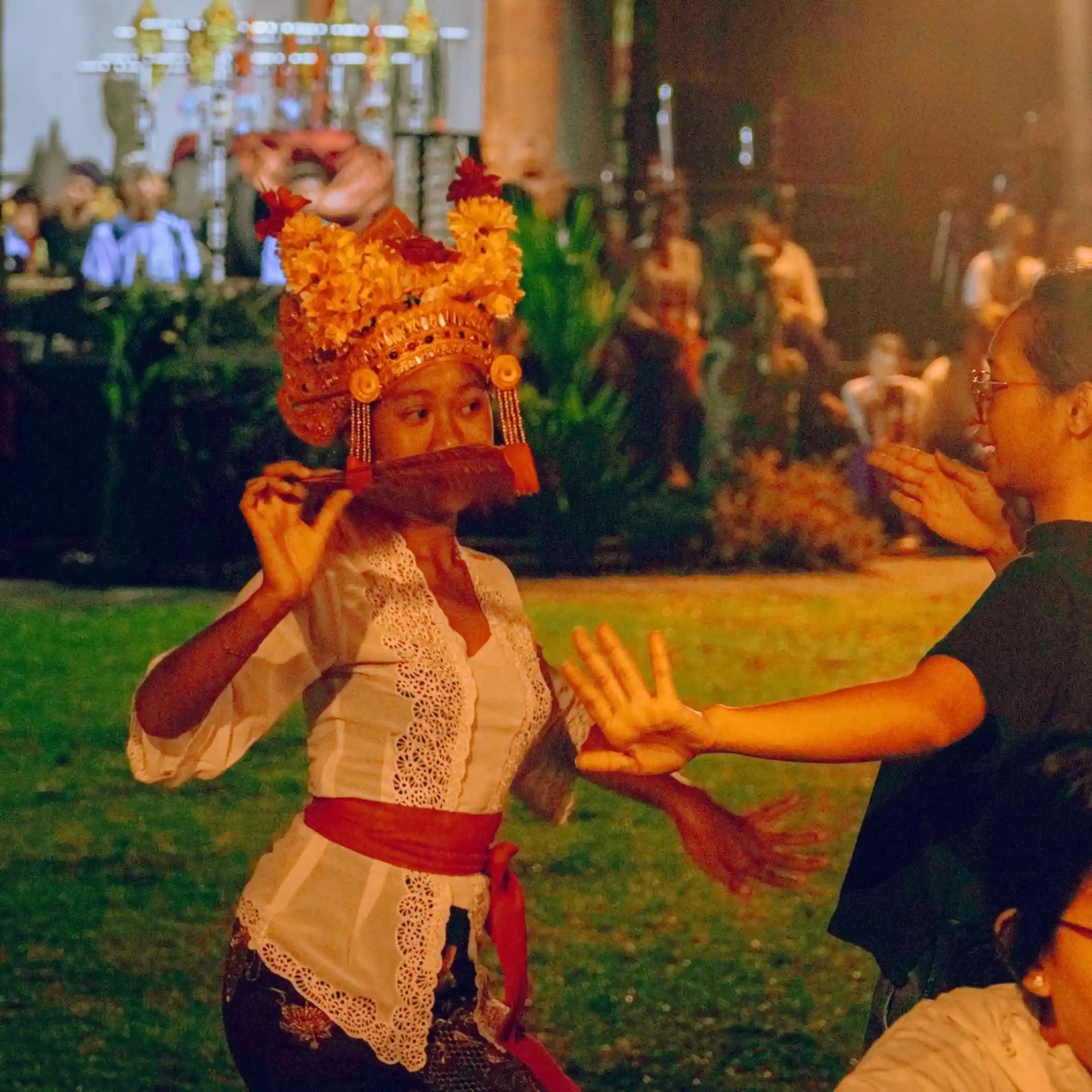
Many visitors experience Balinese culture through performances.
They watch traditional dance.
They listen to gamelan music.
They visit temples.
These moments can be memorable, but participation creates another level of understanding.
Joining one cultural class allows you to slow down and learn from the people who practice the tradition.
At Jero Tumbuk, guests may have opportunities to learn about:
The purpose is not to become an expert during a short visit.
It is to understand the process behind the tradition.
A dance movement requires discipline.
A musical rhythm requires cooperation.
A traditional script requires patience.
A song carries language and cultural memory.
Learning directly from local mentors helps guests understand that culture is not something created only for visitors.
It is something practiced every day by people who dedicate time to preserving it.
This creates a deeper cultural immersion Bali experience.
Instead of asking, “What can I see?”
You begin asking:
“Who keeps this tradition alive?”
“How is this knowledge passed forward?”
“What does this practice mean to the community?”
One meaningful class can teach more than several quick visits to different attractions.
A rice field is easy to photograph.
It is harder to understand.
Many travelers see Bali’s agricultural landscapes as beautiful scenery, but behind every field is a story about farmers, food, water, seasons, and community life.
A rice field walk at Jero Tumbuk offers a slower way to experience the countryside.
Instead of passing through quickly, guests can observe:
This reflects Palemahan within Tri Hita Karana, the relationship between people and nature.
The landscape is not only something to admire.
It is something people depend on.
A nature retreat Indonesia experience becomes more meaningful when guests understand the relationship behind the scenery.
A field is connected to food.
A river is connected to life.
A mountain landscape is connected to the communities around it.
Guests should approach these areas respectfully.
Stay on suitable paths.
Avoid disturbing farmers.
Ask before photographing people.
Remember that the countryside is a working environment, not simply a tourist backdrop.
A slow walk through the rice fields can reveal details that are often missed when traveling quickly.

Food is one of the easiest ways to connect with a culture.
Most travelers enjoy Balinese cuisine.
But tasting food is only one part of the story.
Learning how it is prepared creates a deeper connection.
A traditional cooking activity at Jero Tumbuk introduces guests to:
A cooking class is not only about making a meal.
It is about understanding the knowledge behind it.
Where do ingredients come from?
Why are certain spices combined?
How are cooking techniques passed between generations?
How does food connect with family and community life?
A cooking class Bali experience allows guests to participate rather than simply observe.
Preparing ingredients.
Following traditional methods.
Sharing the final meal.
These simple moments create a stronger memory than quickly trying another restaurant and moving to the next destination.
Food becomes a story.
The meal becomes a conversation.
The kitchen becomes a place to understand Bali.
A busy itinerary often leaves little room to think.
Travelers move from one place to another without having time to process what they experience.
A retreat offers something different.
It creates space.
At Jero Tumbuk, guests may join activities connected to meditation, yoga, and personal reflection.
These experiences are not about promising instant transformation.
They are opportunities to slow down.
To breathe.
To become more aware.
To spend time without constantly checking a schedule.
A mindful holiday Bali experience does not require doing something complicated.
Sometimes it can begin with simple actions:
Sitting quietly in nature.
Writing in a journal.
Practicing gentle movement.
Listening to the sounds around you.
Taking a few minutes without a phone.
This slower rhythm allows travelers to reconnect with themselves while experiencing Bali in a more intentional way.
Spiritual and reflective activities should always be approached respectfully. Practices such as Melukat, meditation, and yoga have different meanings and should not be reduced to trends.
The value comes from awareness and understanding.
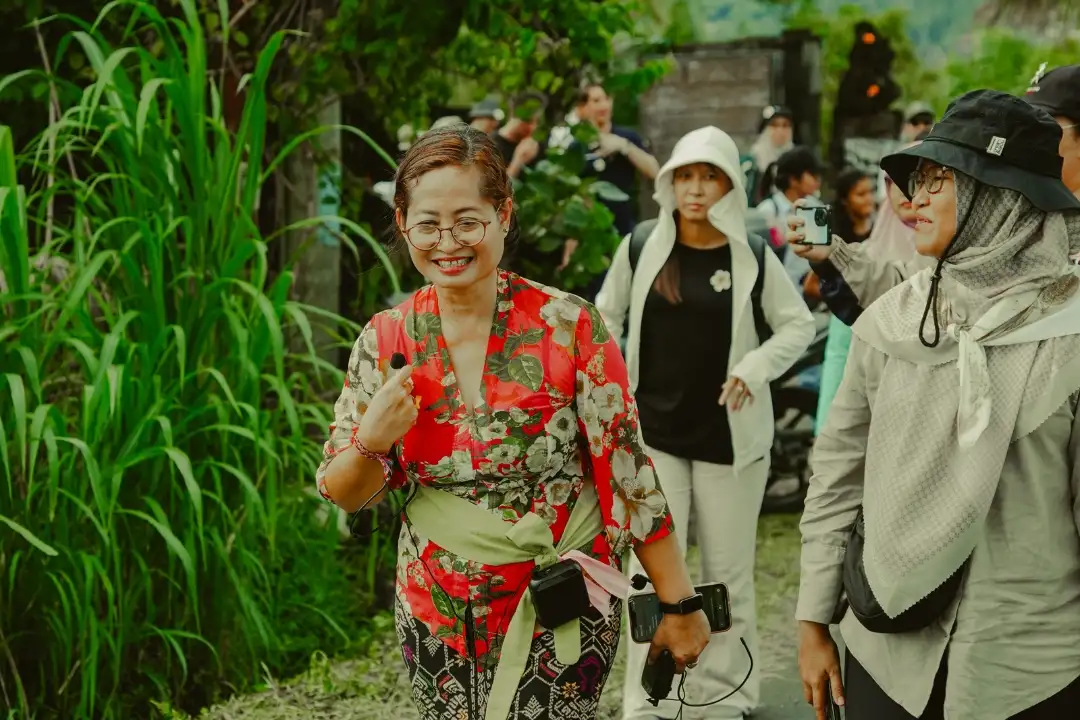
One of the biggest differences between visiting a place and experiencing it is the people you meet.
A destination becomes more meaningful when you understand it through local perspectives.
At Jero Tumbuk, local mentors play an important role in cultural learning.
They are not simply instructors providing an activity.
They are people carrying knowledge, experience, and stories.
A conversation with a mentor can reveal things that guidebooks cannot explain.
Why is a tradition practiced this way?
How is a skill learned?
What does this cultural element mean to the community?
These conversations create a more personal connection.
A dance teacher can explain the discipline behind movement.
A musician can explain cooperation within traditional music.
A cultural mentor can explain why certain practices require respect.
This is the human side of a retreat in Karangasem.
The experience is not only about places.
It is about relationships.
Guests should approach these conversations with curiosity and respect.
Listen more than you speak.
Ask thoughtful questions.
Avoid treating local people as part of a tourist attraction.
The goal is understanding.
Many travelers visit beautiful places but experience them through a camera screen.
They search for the perfect angle.
They move quickly between locations.
They focus on recording instead of noticing.
A slower Bali journey creates space to experience nature differently.
At Jero Tumbuk, guests can spend time surrounded by natural landscapes, gardens, rice fields, rivers, and traditional surroundings.
The experience is not about finding one perfect moment.
It is about noticing many small ones.
The sound of nature in the morning.
The changing weather.
The movement of plants.
The relationship between buildings and the environment.
The quiet moments between activities.
This is part of what makes an authentic Bali experience.
Authenticity does not come from visiting the most famous location.
It comes from understanding the relationship between people and the place.
Nature becomes more meaningful when you slow down enough to appreciate it.
A full itinerary can create many memories.
But a slower itinerary can create deeper ones.
Instead of asking:
“How many places can I visit?”
Try asking:
“What do I want to understand?”
One cultural class can introduce generations of knowledge.
One rice field walk can explain the relationship between food and nature.
One cooking class can reveal the story behind a meal.
One meditation session can create space for reflection.
One conversation with a local mentor can change how you see Bali.
One quiet moment in nature can become more memorable than another rushed stop.
This is the idea behind Jero Tumbuk activities.
They are not designed simply to fill time.
They are designed to create connection.
A meaningful Bali trip does not require seeing everything.
Bali will always have another waterfall, another temple, another restaurant, and another viewpoint.
But understanding a place requires time.
Jero Tumbuk offers travelers the opportunity to experience Bali through culture, nature, spirituality, and community.
It is a place where guests can slow down enough to learn.
Before planning your stay, contact Jero Tumbuk to discuss available activities and experiences.
Some activities depend on local mentors, facilitators, weather conditions, spiritual schedules, and advance arrangements.
Planning ahead allows the experience to be prepared responsibly.
The best memories are not always created by doing more.
Sometimes, they come from staying longer with one moment.
One conversation.
One tradition.
One landscape.
One meaningful experience.