6 Types of Travellers Who Will Enjoy Jero Tumbuk the Most

Not every traveler wants the same kind of Bali holiday.
Some people want nightlife, shopping, and a full schedule. Others prefer quieter mornings, deeper conversations, cultural learning, and enough time to understand the place they are visiting.
Jero Tumbuk is designed for the second type of journey.
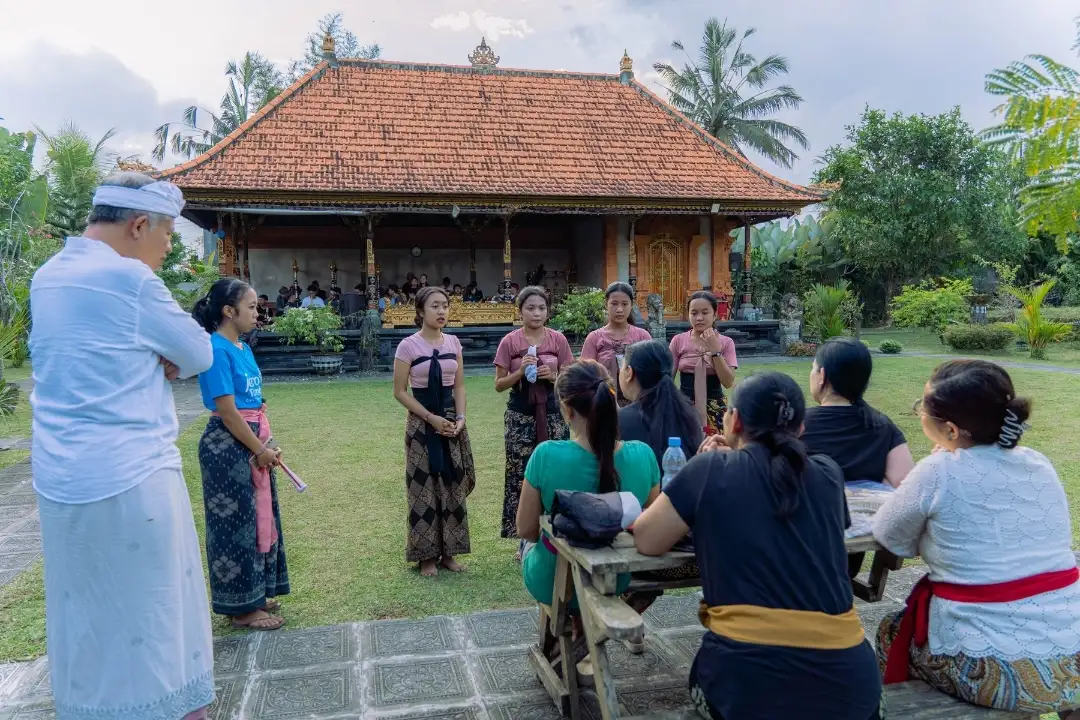
Located in Selat, Karangasem, Jero Tumbuk is a living cultural retreat where accommodation is connected to Balinese culture, nature, spirituality, education, and community life. Guests do not simply arrive, sleep, and continue to the next destination. They are invited to slow down, participate, and learn.
This makes Jero Tumbuk especially suitable for travelers looking for a more thoughtful cultural holiday Bali experience.
Here are six types of travelers who are most likely to enjoy what Jero Tumbuk offers.
1. Solo Travellers Who Want Space Without Feeling Disconnected
Solo travel can be freeing.
You can move at your own pace, choose activities based on your interests, and spend more time reflecting without needing to follow someone else’s schedule.
However, traveling alone can also feel disconnected when the experience is limited to checking into a room and visiting attractions independently.
A solo retreat Karangasem experience at Jero Tumbuk offers a balance between personal space and meaningful connection.
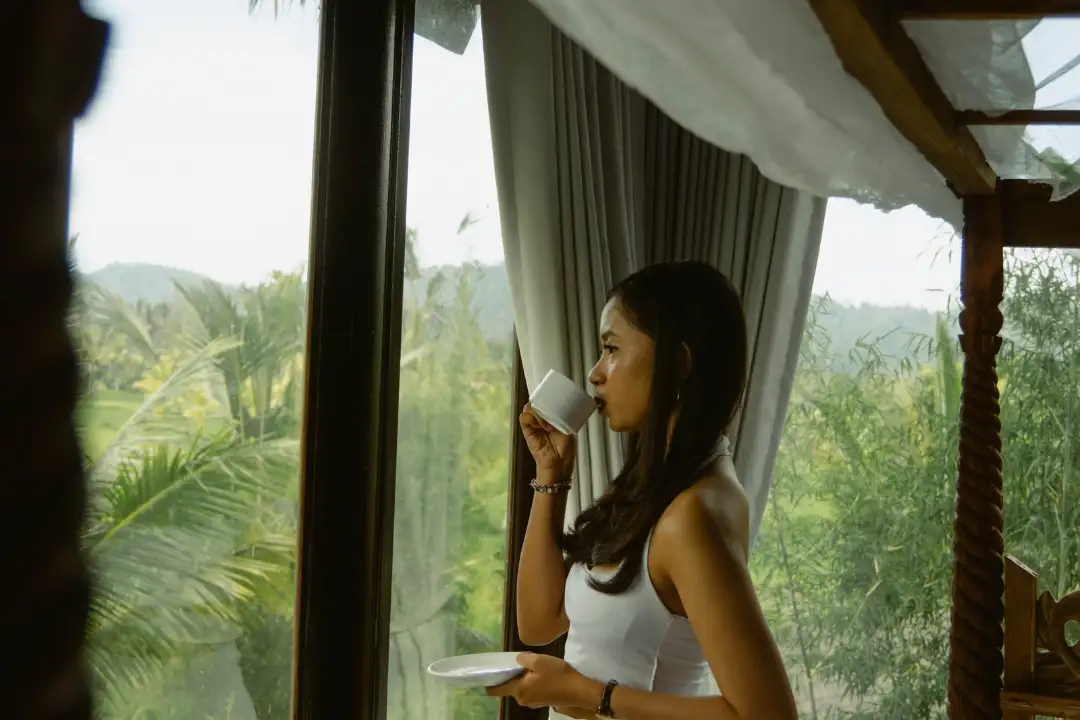
Solo guests can spend quiet time in the garden, walk through the natural surroundings, join meditation or yoga, write in a journal, or simply enjoy a slower morning without constant entertainment.
At the same time, they may have opportunities to join cultural learning, cooking activities, rice-field tours, or conversations with local mentors and staff.
This allows solo travelers to choose when they want privacy and when they want interaction.
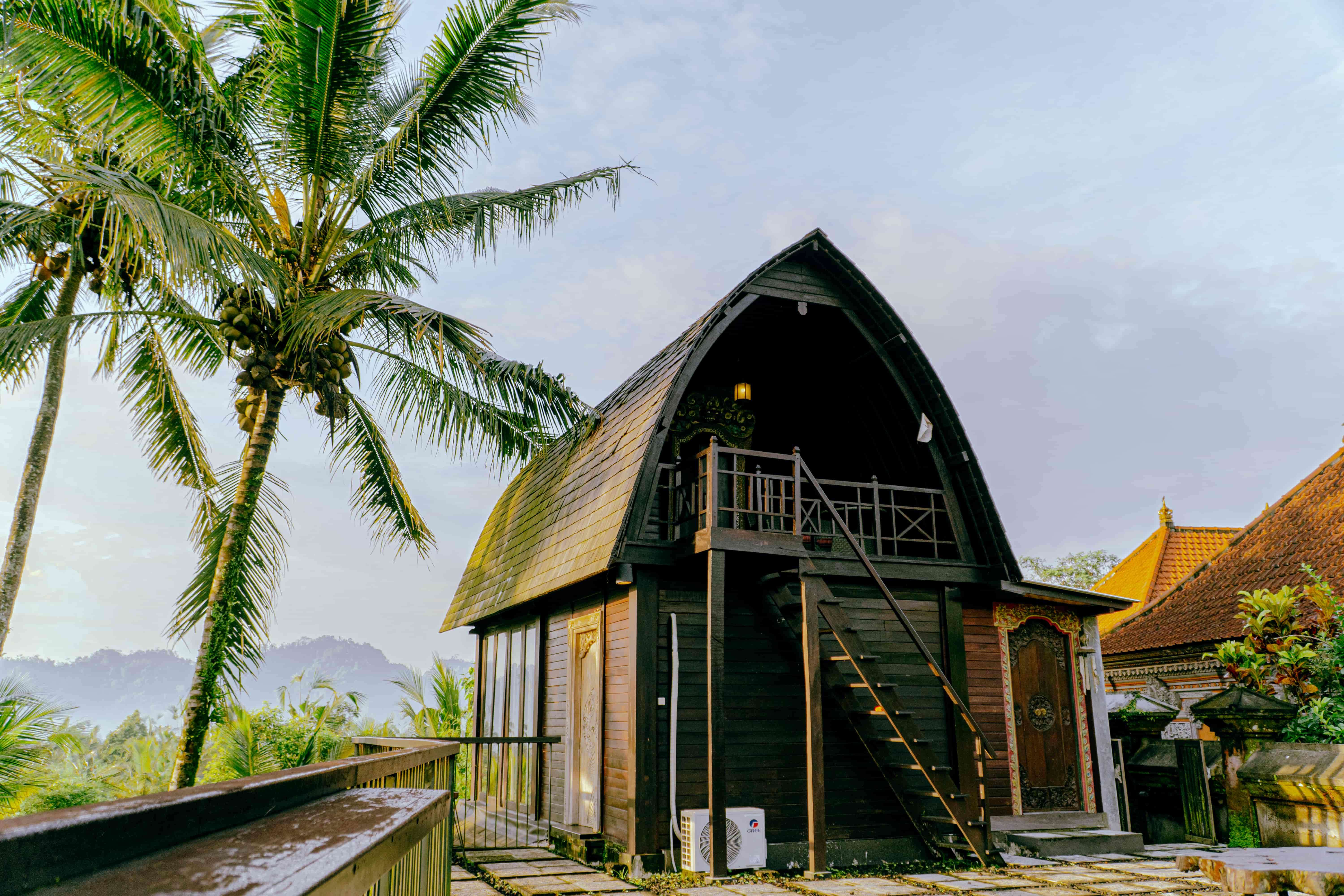
The Wantilan Rooms may appeal to guests who want to stay closer to shared spaces and community activity. Villa Tepi Sungai or other more private accommodation may suit travelers looking for a quieter environment.
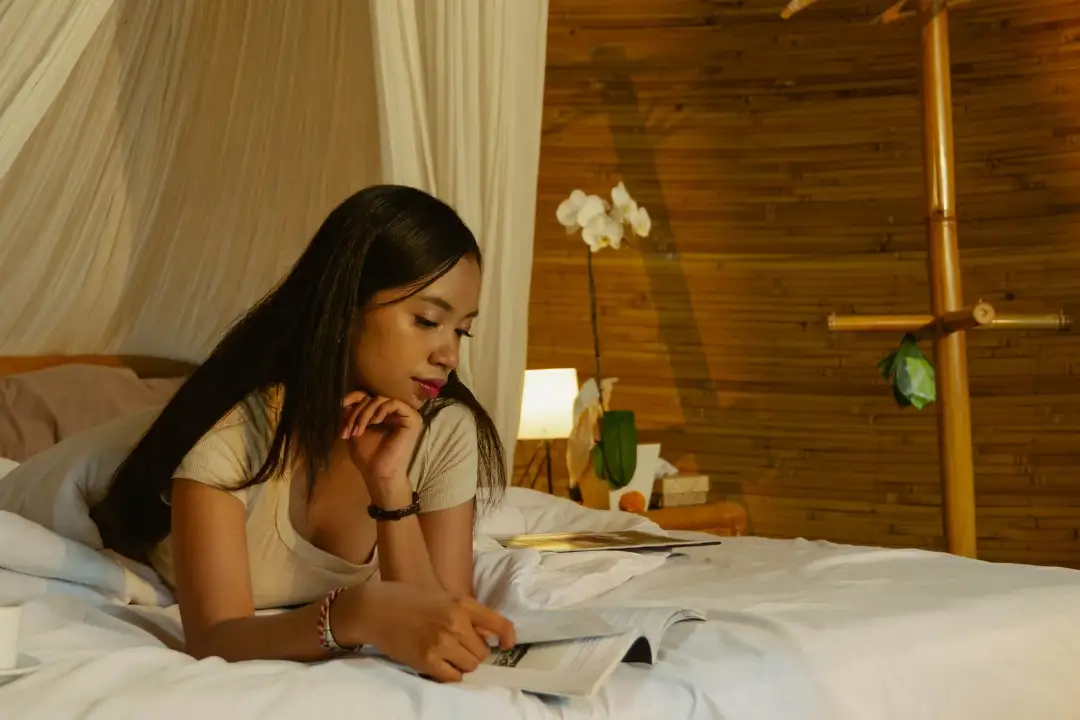
Solo guests who enjoy reflection may also appreciate the no-TV experience. Instead of filling the evening with entertainment, they can read, listen to the natural surroundings, or process what they learned during the day.
Jero Tumbuk is especially suited to solo travelers who are curious, respectful, and comfortable with a slower rhythm.
It may be less suitable for those who expect constant social events, nightlife, or a highly structured entertainment program.
2. Couples Who Want More Than a Romantic Room
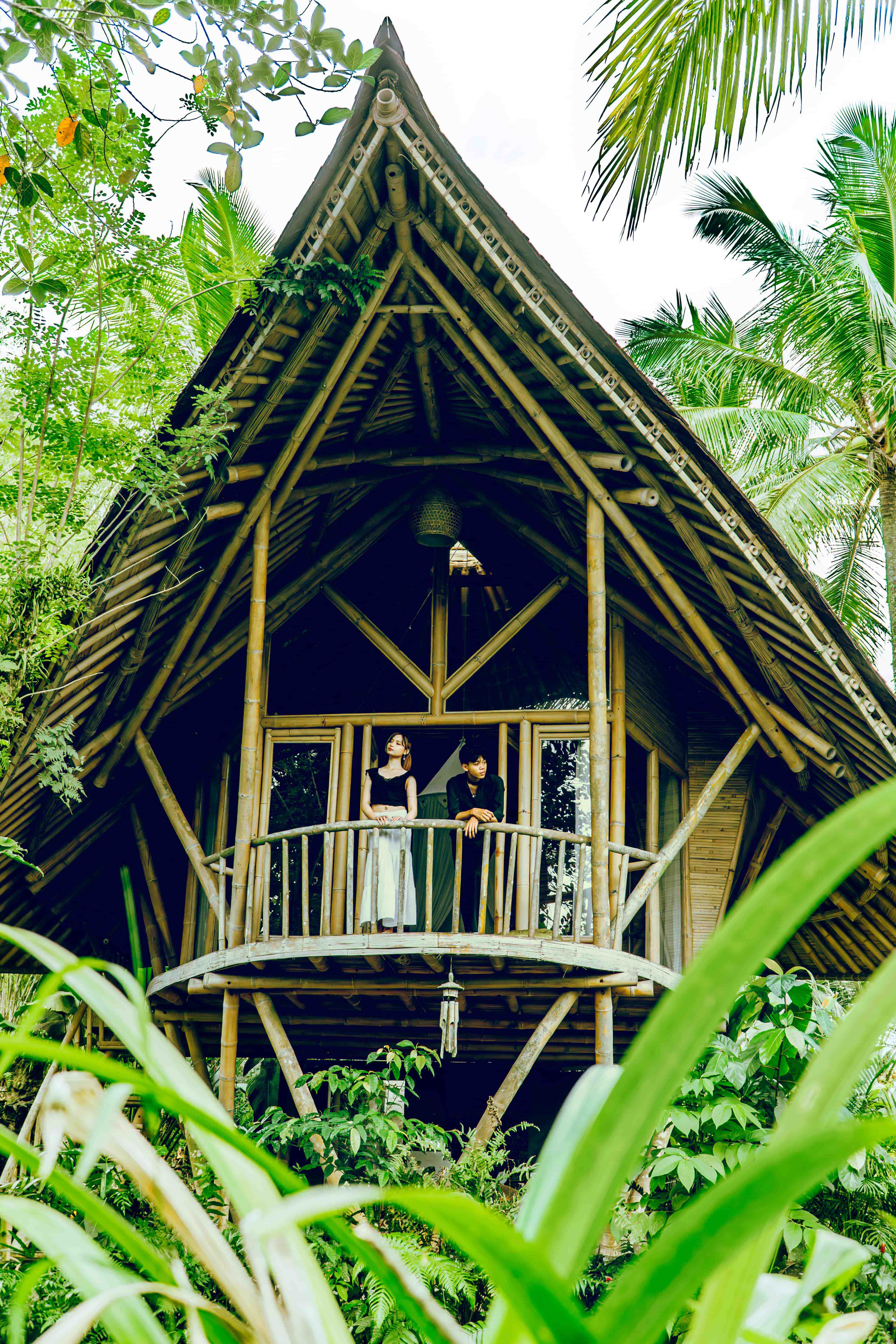
A couple’s holiday does not have to focus only on private dinners, pools, and beautiful views.
Some couples want to learn something together.
They may enjoy joining a cooking class, walking through rice fields, trying a cultural activity, practicing yoga, or sharing a quiet morning without screens.
A retreat for couples Bali experience at Jero Tumbuk can create opportunities for this type of connection.
Villa Tepi Sungai may suit couples who appreciate privacy and natural sounds. Villa Bambu Daja may appeal to those who want a stronger visual connection with rice fields and Mount Agung, depending on weather and visibility. Villa Kayu and Villa Bambu Delod offer warmer, more grounded environments shaped by natural materials.
However, the room is only one part of the experience.
Couples can learn about Balinese food through a cooking class, join a guided rice-field tour, participate in yoga or meditation, or learn about cultural and spiritual practices together.
These shared activities can create more meaningful memories than simply moving between tourist attractions.
A couple may remember the moment they struggled through a traditional dance movement, prepared local spices together, or spoke about what they learned after visiting a sacred space.
Jero Tumbuk is suitable for couples who want time to slow down and reconnect through participation.
It is not positioned as a luxury romantic resort. The experience is more grounded, cultural, and connected to the surrounding environment and community.
3. Families Who Want Their Children to Learn While Travelling
Family holidays often focus on keeping children entertained.
But travel can also become an opportunity for children to learn about culture, nature, food, and community life.
A family culture trip Bali at Jero Tumbuk can introduce younger travelers to experiences that are difficult to understand through screens or schoolbooks alone.
Families may be able to join a cooking class, explore rice fields, learn basic Balinese dance movements, listen to traditional music, or observe how local children participate in cultural education.
These activities help children understand that Bali is not only a holiday destination.
It is home to communities with their own languages, traditions, spiritual practices, food systems, and educational needs.
Parents can use the experience to encourage respectful curiosity.
Children can learn to ask before taking photographs, listen when a mentor is speaking, avoid interrupting cultural classes, and understand that local children are students rather than performers for visitors.
A rice-field tour can introduce them to farming and food production. A cooking class can help them recognize local ingredients. Traditional music can show the importance of rhythm, listening, and cooperation.
Families should confirm activity requirements before booking. Some experiences may have age limits, safety considerations, or participation rules.
Rafting at Telaga Waja, for example, depends on operator requirements, health conditions, and minimum age. Spiritual activities may require appropriate clothing and careful guidance.
Jero Tumbuk is best for families who want their children to participate respectfully and learn, not simply consume entertainment.
4. Culture Lovers Who Want to Understand the Process
Travelers who love culture often want more than a finished performance.
They want to know how traditions are learned, why they matter, and who is responsible for keeping them alive.
Jero Tumbuk is especially relevant for visitors interested in Balinese dance, tabuh or gamelan, gender, rindik, mekidung, Balinese script, spiritual spaces, and local architecture.
Cultural programs at Jero Tumbuk are not positioned only as entertainment for guests.
They are part of regular learning and cultural preservation, including programs for children and younger generations in the surrounding community.
A culture lover may appreciate watching how a mentor corrects a student’s movement, explains a musical rhythm, or teaches the formation of Balinese script.
This creates a more honest understanding of culture.
Traditions do not remain alive because they appear in photographs. They continue because people practice them regularly, mentors return to teach, and young participants are given access to learning.
Guests may also learn about the meaning behind buildings and spaces such as the Angkul-Angkul, Merajan, Bale Ageng, Jineng, Pesiraman or Beji, and Saraswati Pond.
Each space reflects a different relationship with welcome, spirituality, community, food security, purification, or knowledge.
For travelers seeking a deeper cultural holiday Bali, Jero Tumbuk offers the opportunity to understand culture through people, places, and practice.
Cultural activities may depend on mentor schedules and community programs, so guests should confirm availability before arriving.
5. Small Groups Looking for a Shared Retreat Experience
Small groups often want more than separate rooms and a shared dining table.
They may be looking for activities that help the group communicate, learn, and experience something together.
A small group retreat at Jero Tumbuk can be shaped around cultural, reflective, natural, and educational activities.
A group might join a Traditional Balinese Cooking Class and divide tasks during food preparation. They could participate in yoga or meditation, walk through the rice fields, learn a basic traditional rhythm, or join a Mandala activity.
Traditional music can be especially meaningful for groups because it demonstrates the importance of cooperation.
In tabuh or gamelan, each player contributes a different part. The complete sound depends on everyone listening and following the shared rhythm.
Cooking also creates natural teamwork. Participants prepare ingredients, follow instructions, and share the final meal.
Mandala activities can provide a quieter group experience where participants focus individually while still sharing the same space.
Jero Tumbuk may suit small groups such as:
- Friends traveling together
- Wellness groups
- Educational groups
- Cultural interest groups
- Small company or community groups
- Retreat facilitators and participants
However, group activities require planning.
The organizer should confirm accommodation capacity, room configuration, facilitator availability, activity schedules, meals, transportation, and any private-space requirements.
Not every activity will automatically be available for every group size. Advance coordination is necessary to avoid disrupting community programs or local mentor schedules.
6. Creative Travellers Who Need New Sources of Inspiration
Creative work often depends on attention.
Writers, photographers, designers, artists, musicians, and other creative travelers may find it difficult to think clearly when every day is filled with traffic, notifications, and venue hopping.
A creative retreat Bali experience can create more room to observe and reflect.
Jero Tumbuk offers a natural and cultural environment that may support creative thinking without turning the retreat into a production studio.
Guests can journal in the garden, notice the shapes and materials used in traditional architecture, listen to local music, study patterns in Balinese art, or join a Mandala activity.
They may find inspiration in bamboo, wood, stone, river sounds, agricultural landscapes, traditional instruments, Balinese script, or conversations with mentors.
A creative traveler may also appreciate the slower structure of the day.
Without television and constant entertainment, there is more room to read, sketch, write, or sit quietly with an idea.
However, creativity should never become an excuse to ignore cultural boundaries.
Sacred spaces, rituals, community classes, and local people should not be used as visual material without permission. Photographers and content creators need to follow the same etiquette as every other guest.
A respectful creative traveler observes carefully, asks before documenting, and avoids turning private or sacred moments into content.
Jero Tumbuk is suitable for people who want inspiration through real connection rather than staged visual experiences.
Nature Lovers Will Find Meaning Beyond the View
Although nature lovers are not listed as a separate category, many of the travelers above share an interest in the natural environment.
The Jero Tumbuk experience is shaped by rice fields, river areas, tropical gardens, bamboo and wooden architecture, and the wider landscape around Mount Agung.
A nature lover Bali experience here is not only about finding the best viewpoint.
Guests are encouraged to understand how nature is connected to agriculture, local food, architecture, spiritual practice, and community life.
Rice fields are working landscapes. Rivers are part of the natural and cultural environment. Bamboo and wood are more than design choices. They help express the relationship between buildings and the surrounding area.
This reflects Palemahan, one of the three relationships within Tri Hita Karana: harmony between people and nature.
Guests should arrive with realistic expectations.
Mountain views can change with clouds, rain, mist, and seasonal conditions. Natural environments may include insects, humidity, uneven paths, changing weather, and sounds that would not be present in a sealed city hotel.
For the right traveler, these are not problems.
They are part of staying closer to nature.
Who May Not Enjoy Jero Tumbuk?
Understanding the right audience also means being clear about who may prefer a different experience.
Jero Tumbuk may not be the best match for travelers who want:
- Nightlife within walking distance
- Constant in-room entertainment
- A highly commercial resort atmosphere
- A full schedule of staged performances
- Luxury-focused service without community interaction
- Activities available instantly without advance planning
- A holiday centered only on facilities
Jero Tumbuk is better suited to guests who value culture, nature, learning, reflection, and respectful participation.
It asks travelers to adjust their pace and become more aware of the place around them.
Choose the Experience That Matches Your Travel Style
A meaningful holiday Bali experience looks different for everyone.
A solo traveler may value quiet time and personal reflection. A couple may enjoy learning together. A family may want children to understand culture beyond tourist attractions. A culture lover may appreciate direct access to mentors and regular practice.
Small groups can build connection through shared activities, while creative travelers may find new inspiration through nature, traditional arts, and slower days.
What connects these travelers is curiosity.
They do not only want to stay in Bali. They want to understand something about it.
Jero Tumbuk is not a hotel designed to please every type of traveler.
It is a living cultural retreat for people who want to learn, connect, and grow alongside the culture, nature, spirituality, and community of Karangasem.
Accommodation may be where the journey begins.
The deeper experience comes from how you choose to participate.