8 Balinese Cultural Activities You Can Learn at Jero Tumbuk


Seeing Balinese culture is easy.
Understanding it takes more time.
A traditional dance performance, a gamelan concert, or a temple ceremony can introduce travelers to different parts of Bali. But watching from the audience is only one way to experience culture.
Learning directly from people who practice it creates another level of connection.
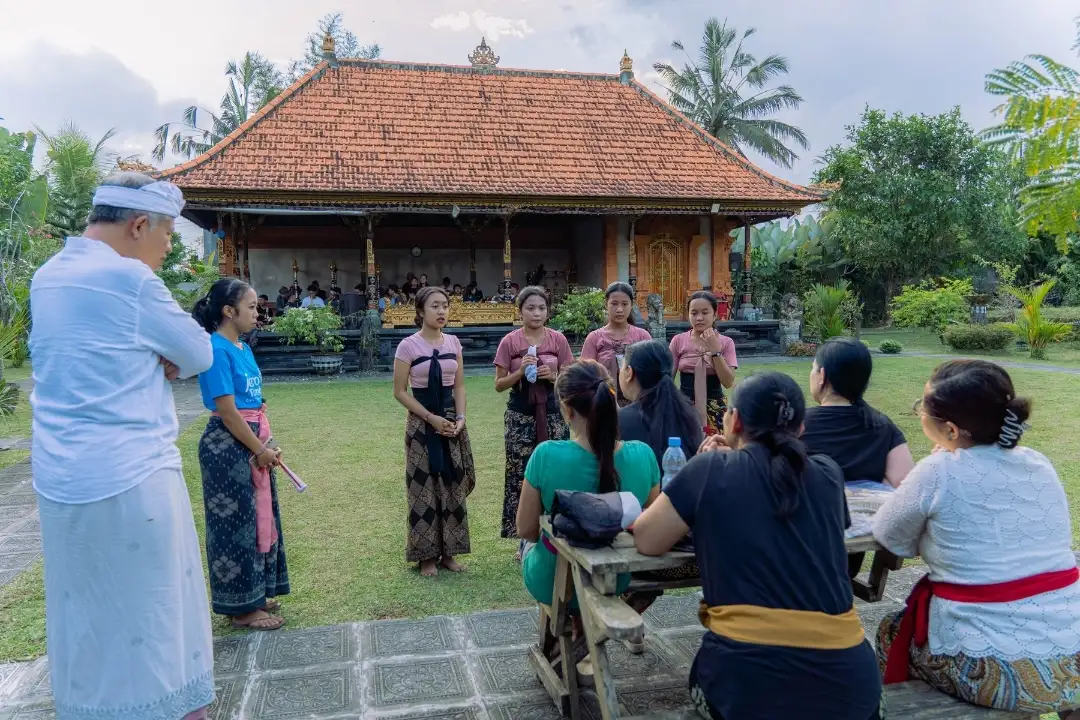
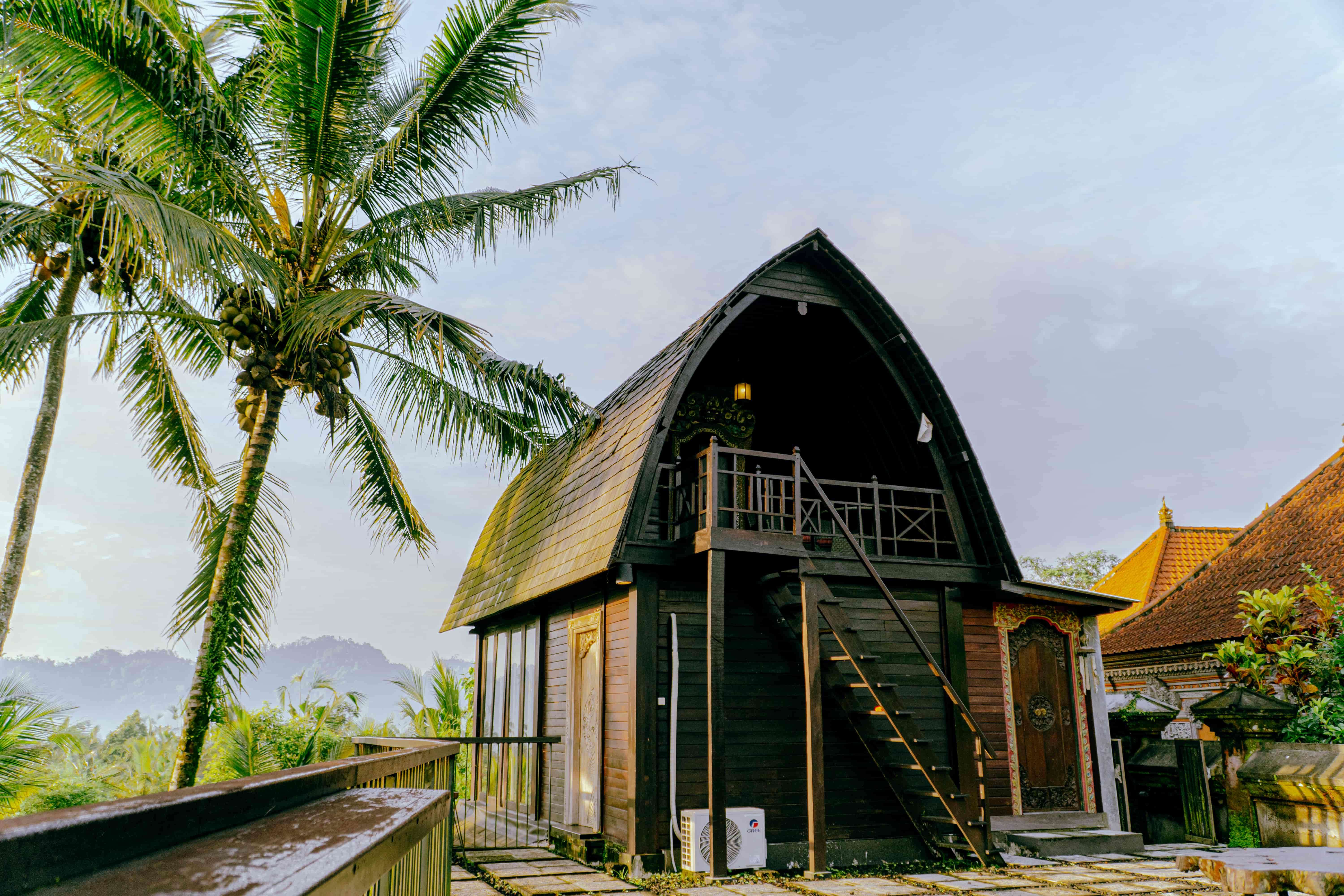
At Jero Tumbuk in Selat, Karangasem, cultural learning is part of the wider experience. Jero Tumbuk is a living cultural retreat where accommodation, education, spirituality, nature, and community life are connected.
The cultural programs are not designed simply as staged entertainment for visitors. They create opportunities for people to learn, practice, ask questions, and understand traditions through direct participation.
From dance and traditional music to Balinese script and community English classes, here are eight Balinese cultural activities you can learn about at Jero Tumbuk.
1. Balinese Dance
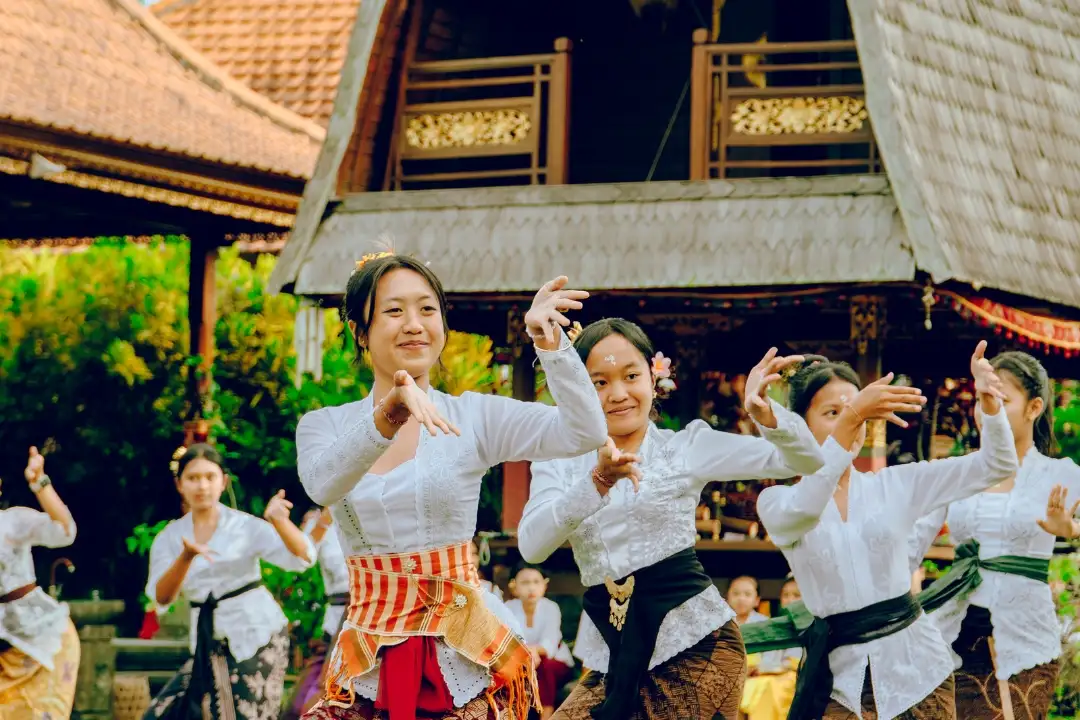
Balinese dance is often recognized for its expressive movements, detailed gestures, and strong connection to music and storytelling.
But the finished performance only shows the result of a much longer learning process.
A Balinese dance class allows participants to understand some of the discipline behind the tradition.
Students may learn basic posture, hand positions, eye movements, facial expressions, rhythm, and body coordination. Even a simple movement can require repeated practice before it feels natural.
This is why learning from a local mentor matters.
A teacher can correct a student’s posture, explain how a movement should be performed, and provide context about the character or story connected to the dance.
At Jero Tumbuk, cultural learning also gives children and younger generations opportunities to practice traditional arts regularly.
For guests, joining a class is not about becoming a Balinese dancer in one session.
It is about understanding the work behind the performance.
The experience can change the way you watch traditional dance afterward. Instead of seeing only the finished movement, you begin to recognize the concentration, repetition, and cultural knowledge behind it.
Guests should always follow the mentor’s instructions and ask permission before taking photographs, particularly when children are participating in the class.
2. Tabuh and Gamelan
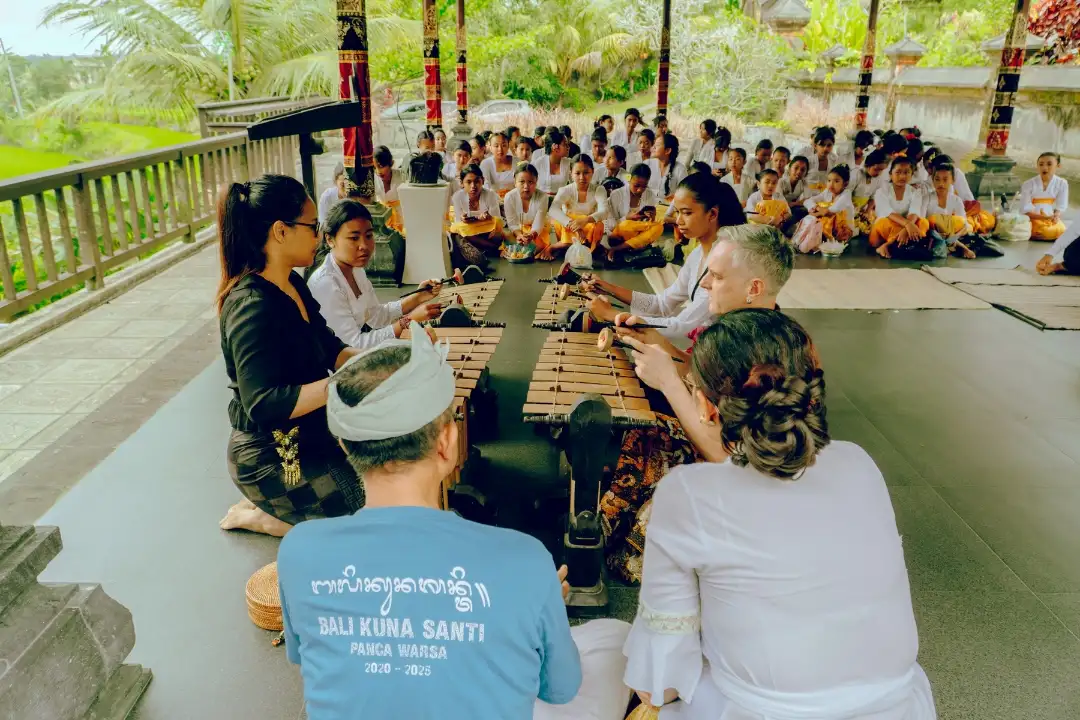
Traditional Balinese music is built around cooperation.
In gamelan Bali, different instruments contribute different sounds and rhythms. Players need to listen carefully to one another rather than focusing only on their own instrument.
This makes traditional music a valuable learning experience even for people who have never played an instrument before.
At Jero Tumbuk, cultural programs may introduce participants to tabuh or gamelan as part of the wider cultural learning environment.
Beginners can learn about rhythm, timing, coordination, and the importance of playing together.
The experience also demonstrates an important part of community learning.
A musician does not develop their skills only by watching someone else perform. They need regular practice and guidance.
The same applies to children learning traditional music. They need teachers, instruments, time, and a place where they can return to practice.
For guests, the lesson is simple.
Traditional music is not only something to listen to.
It is something that requires discipline, patience, and cooperation to create.
3. Gender
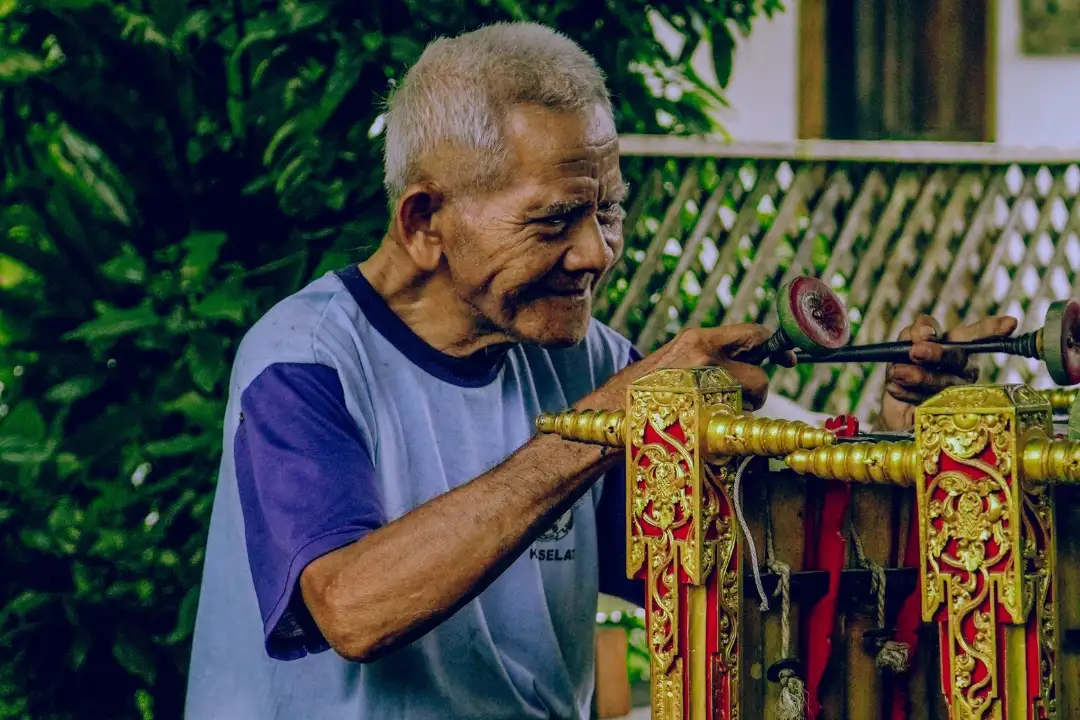
Gender is another traditional Balinese musical instrument that may be introduced through cultural learning at Jero Tumbuk.
Learning gender requires concentration and coordination. Participants need to understand how the instrument is played while paying attention to rhythm and the wider musical structure.
For beginners, the first attempt may feel difficult.
That is part of the experience.
A cultural lesson is not supposed to make every participant look like an expert. It gives people an opportunity to understand the learning process.
A mentor can demonstrate the correct technique, explain the rhythm, and help participants improve through repetition.
This is one reason a culture class Bali experience can be more valuable than simply watching a performance.
The guest gets to see the effort behind the result.
The activity also highlights the importance of passing knowledge between generations. Traditional music remains alive when young learners continue practicing it and when experienced practitioners remain willing to teach.
Guests joining a music session should follow the mentor’s instructions and treat the instruments carefully. They should also avoid assuming that every instrument or lesson is available at any time.
Schedules need to be confirmed before arrival.
4. Rindik
The soft sound of bamboo is one of the distinctive elements of traditional Balinese music.
Rindik is a traditional bamboo instrument that can be introduced through a Rindik lesson at Jero Tumbuk, depending on the cultural program schedule.
Learning the instrument offers a hands-on introduction to Balinese musical tradition.
Participants can learn how the instrument is held and played, how rhythm is created, and how individual sounds contribute to a wider musical piece.
The process can be surprisingly different from simply listening to rindik being performed.
You become aware of timing, hand coordination, repetition, and the patience required to create a consistent rhythm.
The experience also introduces the relationship between traditional arts and natural materials.
Bamboo has an important place in many aspects of Balinese life, including architecture, crafts, instruments, and everyday use.
A rindik lesson therefore offers more than a musical introduction.
It can become a small window into traditional craftsmanship and cultural practice.
Again, the focus is learning rather than performance.
Guests should not expect to master the instrument immediately. The value comes from experiencing the process and learning from someone who has the knowledge to guide you.
5. Mekidung
Mekidung connects traditional vocal practice with language, literature, culture, and spirituality.
For travelers unfamiliar with Bali, it can offer a different perspective on how traditional knowledge is carried through sound and language.
A Mekidung class can introduce participants to traditional songs and vocal practices under the guidance of a local mentor.
The experience requires listening carefully, following rhythm, remembering words, and understanding how the vocal tradition fits within Balinese cultural life.
It is not simply about singing a song.
Mekidung can also provide an introduction to the relationship between language, oral tradition, literature, and spiritual practice.
This makes the activity particularly relevant for travelers who want to understand the cultural context behind what they hear.
As with other cultural programs, guests should approach the class respectfully.
Some traditional songs or practices may have specific cultural or spiritual contexts. Participants should follow the mentor’s explanation rather than assuming that every song is simply entertainment.
Learning with a local teacher helps guests understand where participation is appropriate and how to approach the tradition correctly.
6. Balinese Script
Not every cultural learning experience involves music or movement.
At Jero Tumbuk, guests may also encounter learning related to Balinese script.
The script is an important part of Bali’s written heritage. Learning even a few basic characters can provide a different understanding of Balinese language, literature, and cultural identity.
A Balinese script class allows participants to slow down and focus on the structure of the characters.
For beginners, writing unfamiliar characters can take concentration. The shapes may initially seem complicated, but with guidance and repetition they become easier to recognize.
This is another area where a local mentor plays an important role.
A teacher can demonstrate how characters are formed, correct mistakes, and explain the context behind what participants are learning.
The activity is not about producing perfect writing during a short visit.
It is about understanding that written heritage also requires people to teach and practice it.
For younger generations, regular access to Balinese script learning can help prevent this knowledge from becoming disconnected from everyday cultural identity.
For visitors, it offers a chance to appreciate another part of Bali that may not be visible during a typical sightseeing itinerary.
7. Yoga as Part of a Cultural Retreat
Yoga is different from the traditional arts above, but it is part of the wider retreat experience at Jero Tumbuk.
A yoga session creates space for movement, breathing, awareness, and reflection.
Guests can use the quieter surroundings to step away from busy travel schedules and focus on the body and the present moment.
Yoga at Jero Tumbuk should not be understood as a guaranteed treatment or instant solution for stress or health problems.
It is an opportunity to slow down.
The natural environment can become part of that experience. Instead of moving immediately from one attraction to another, guests have time to notice the surroundings, breathe, and create a calmer rhythm.
Yoga can also sit alongside other spiritual and reflective activities at Jero Tumbuk, including meditation and Mandala activities.
This connects with the broader philosophy of Tri Hita Karana, particularly the importance of maintaining harmony within oneself, with other people, with nature, and with the spiritual world.
Guests should confirm yoga schedules, instructors, duration, and any equipment requirements before joining.
8. Community English Classes
Cultural learning at Jero Tumbuk is not limited to traditional arts.
Education is another important part of the community ecosystem.
English classes are among the programs that provide learning opportunities for children and members of the surrounding community.
At first, an English class may seem unrelated to Balinese culture.
But education plays an important role in the long-term development of a community.
Children can build communication skills while remaining connected to their local culture, family, and community. English may also become a useful skill for future education, employment, and communication with people from different backgrounds.
For guests, this provides another perspective on what community-based cultural tourism can mean.
The goal is not simply to show visitors local traditions.
It is also to create opportunities for younger generations to develop skills for the future.
Guests should remember that community classes are learning environments.
Children are students, not attractions. Visitors should not interrupt classes, expect performances, or take photographs without permission.
The best way to support these programs is to respect the learning process and allow teachers and students to focus on their work.
Why These Programs Are Different From a Staged Cultural Show
There is an important distinction between watching culture and learning culture.
A staged performance has a clear beginning and end. The audience watches. The performers present.
A learning environment works differently.
Someone demonstrates.
A student tries.
The mentor corrects.
The student tries again.
Over time, the skill develops.
This process is what keeps traditions alive.
At Jero Tumbuk, cultural activities are connected to regular learning, local mentors, children, education, and community access.
The objective is not to create a perfect cultural performance whenever a guest arrives.
The objective is to create a place where cultural knowledge can continue to be practiced and shared.
This is the meaning behind the idea of Jero Tumbuk activities as real learning experiences.
Learning Culture Through the People Who Practice It
The strongest part of a cultural class is often the person teaching it.
A local mentor brings knowledge that cannot always be found in a guidebook.
They can explain why a movement matters.
They can correct a technique.
They can tell a story.
They can explain when a practice is appropriate.
They can show how a tradition connects to everyday life.
This direct relationship is what makes a Bali cultural experience more meaningful.
Guests are not simply collecting activities.
They are meeting people who have invested time in learning and preserving cultural knowledge.
That relationship should always be approached with respect.
Ask questions.
Listen carefully.
Accept corrections.
Do not rush the teacher.
Ask before taking photographs.
And remember that the cultural program existed before your visit and will continue after you leave.
Confirm the Schedule Before Your Visit
Cultural activities at Jero Tumbuk are connected to local mentors, students, community programs, and regular learning schedules.
For that reason, not every activity will necessarily be available every day.
Availability may depend on:
- Mentor schedules
- Community learning schedules
- Religious activities
- Number of participants
- Facilitator availability
- Local events
- Advance arrangements
Guests who are particularly interested in a Balinese dance class, tabuh, gender, rindik, Mekidung, Balinese script, yoga, or community-related activity should contact Jero Tumbuk before arriving.
Confirm the available date and time, duration, participation requirements, clothing, materials, and any additional arrangements.
Advance planning also allows the team to coordinate with the people responsible for each program.
Come to Learn, Not Just to Watch
The most valuable cultural experiences are not always the ones that produce the best photographs.
Sometimes, they are the ones that change how you understand a place.
Learning a dance movement can reveal the discipline behind a performance.
Playing gamelan can show why cooperation matters.
Trying rindik can introduce you to traditional bamboo craftsmanship.
Learning Balinese script can create a connection with written heritage.
Joining a Mekidung class can introduce the relationship between language, music, and spirituality.
Yoga can create space for reflection.
Community English classes can show why education matters to the future of a village.
Together, these experiences reflect what Jero Tumbuk is designed to be: a living cultural retreat where culture is practiced, education continues, nature is respected, spirituality remains meaningful, and community relationships matter.
If you are looking for Balinese cultural activities that go beyond watching a performance, Jero Tumbuk offers a different way to experience Bali.
Come with curiosity.
Come with respect.
And most importantly, come ready to learn.